When it comes to countertop appliances, few are as inexpensive and versatile as a slow cooker, and none is better suited to helping you get through a cold winter. Many people call these devices Crock-Pots, which is a trademarked brand that pioneered this kitchen appliance category. If you’re not in a hurry, slow cookers offer an unbeatable way to prepare steaming bowls of soups and stews. They are also great for cooking steel-cut oats, Mexican-style beans, and mulled drinks like spiced holiday cider.
Whatever you’re making, you can usually do all the prep work in just minutes, and then go about your day while your slow cooker does the rest. Just keep in mind that it’s certainly possible to overcook your meals in a slow cooker. So, figure out the ideal cooking time for your meal and set a timer. Most of these devices feature a dial that lets you select either a high and low temperature setting—the choice you make greatly impacts cooking times.
One of life’s great creature comforts is surely having a hearty stew bubbling away in your slow cooker on a snowy Saturday. Just understand that these devices are entirely unsuited to cooking a quick meal after a long day of work. If you want to whip up a pot of soup in a hurry, keep your slow cooker in the cupboard and use an Instant Pot instead—its pressure cooking abilities can finish the cooking in a fraction of the time.
In fact, as much as I love my slow cooker, if I had to choose between owning one or owning an Instant Pot, I’d take the Instant Pot every time. While Instant Pots are at least triple the price of a slow cooker, they’re vastly more versatile. And most importantly, Instant Pots can cook your meals in a hurry whereas a slow cooker by definition always takes the scenic route.
Buying and Using a Slow Cooker
Before purchasing a slow cooker, think about how many people you typically feed. Slow cookers come in every size, from miniature units to 7-quart pots suitable for a large family. Even if you’re cooking for just one or two, you might decide to purchase a big model in order to prepare large batches. You can thereby do all your cooking for a week or two, freezing whatever you don’t eat that day.
No matter which size slow cooker you choose, get one with removable stoneware, which will speed cleanup and reduce the likelihood that you’ll accidentally expose your unit’s electronic circuitry to water during cleanup.
When using a slow cooker, many people add all their ingredients at once. Although convenient, this approach is usually not ideal, since items that require less cooking time will get overcooked. So if you’re cooking a bean-based stew with carrots and leafy greens, it might make sense to add the carrots at the midpoint of your cooking time, and then stir in the leafy greens just a few minutes before serving.
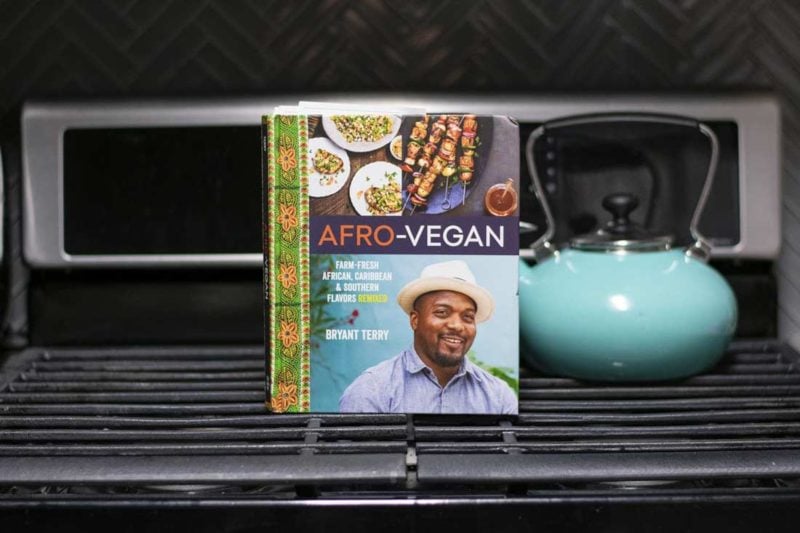
Even if you’re a novice cook, improvising recipes for your slow cooker couldn’t be easier. Most vegetables, and especially root vegetables, are wonderful when slow-cooked. Slow cookers also offer one of the best—although certainly not the quickest—ways to cook dried beans. To speed things up, soaking your beans in advance will significantly reduce cooking time. If you want a more involved meal, or are seeking some new ideas, pick up a vegan slow cooker cookbook. Robin Robertson’s Fresh from the Vegan Slow Cooker is a classic vegan cookbook. You might also check out Rhyan Geiger’s Vegan Slow Cooking for Two. No matter what recipe you use, you may need to adjust portion sizes up or down to match the size of your unit.