Going dairy-free is easy, and the payoff is huge. In this guide, I’ll address the main advantages of dropping dairy products from your life. I will also show you terrific alternatives to every dairy product in existence. As we’re about to see, cutting dairy-based foods out of your diet makes remarkable sense.
Why Go Dairy-Free?
For both health and ethical reasons, dairy products raise serious concerns. On the health side, countless people who’ve quit dairy experienced enormous improvements to their well-being. Maladies like nasal congestion, digestive issues, acne, or chronic ear infections may vanish within a few weeks. You might therefore consider going dairy-free for a month to see whether it improves your quality of life.
Nutritionally speaking, dairy brings lots of bad news. Nearly all of its carbohydrates come from sugar—all of it in the form of lactose, which many people can’t properly digest. Upwards of 80 percent of people of Asian descent, and 70 percent of people of African descent, can’t properly digest lactose. In fact, lactose intolerance afflicts large numbers of people in every part of the world. So if you suffer from chronic digestive issues, eliminating dairy products may resolve your problems.
Almost half of the calories in whole milk come from fat. Worse yet, this fat is highly saturated—making it as bad for your heart as beef fat (tallow) or pig fat (lard). Dairy also has absolutely no fiber or iron. Additionally, it’s worth contemplating the levels of somatic cells allowed in milk, and—if you can stomach it—watching a video of a dairy cow getting an abscess lanced.
Ethical Considerations
Many cows are raised under appalling animal welfare standards. Several of the largest dairies never allow their cows outdoors to graze. Instead the animals spend their lives in cramped indoor stalls. Although cows can live twenty years, the overwhelming majority are slaughtered before age five. Why so young? Because older cows produce far less milk than do younger animals.
So, consuming dairy products instead of beef doesn’t eliminate animal slaughter. Beef obviously comes from slaughtered cattle, but dairy products come from cows destined for slaughter.
Since cows yield the most milk in the months after giving birth, dairies impregnate their cows annually in order to maximize milk yields. Generally, their calves get taken away at just two days of age. What happens to these calves? Disturbingly, the male calves are commonly raised for veal. So if you oppose the crating and slaughter of young calves, know that the veal industry only exists because of the demand for dairy products. For more information about the milk industry’s cruel farming practices, see my page on dairy cow welfare. Or read Jonathan Safran Foer’s superb Eating Animals.
If the idea of abruptly going dairy-free sounds daunting, you can ease into it. Think for a moment about all the dairy products you currently consume. Chances are that you truly enjoy one or two of these foods, but that you aren’t crazy about the rest. For example, if you regularly consume a wide assortment of dairy products, perhaps you’d only actually miss eating yogurt and cheese pizza. So get rid of the others, and you’ll have instantly moved to a mostly dairy-free diet!
Recommended Dairy Substitutes
The best approach to rid your diet of dairy-based foods doesn’t involve cutting them out, but rather crowding them out with dairy-free alternatives. There are all sorts of excellent vegan replacements for milk, cheese, butter, yogurt, and ice cream.
Milks
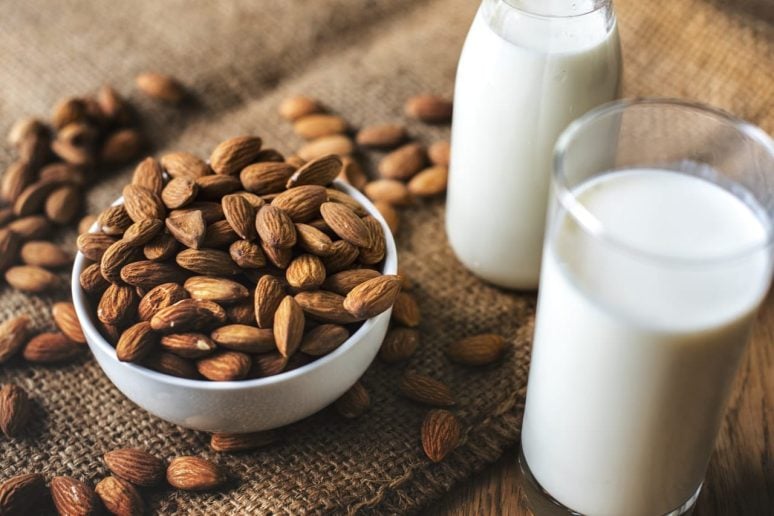
Soy, oat, almond, coconut, and other milk alternatives are available at all natural food stores and most supermarkets. Vegan milks are sold in two types of packaging: conventional milk cartons stocked in the refrigerated dairy case, and aseptic juice boxes sold at room temperature. You can dramatically cut your sugar intake by choosing an unsweetened variety and they come in a variety of flavors. See my vegan milk guide for complete coverage of these products.
Refrigerated vegan milks are cheaper and more eco-friendly than the stuff sold in aseptic packages—and I think they taste better, too. But you may want to keep a couple cartons of aseptic packaged non-dairy milk on hand for emergencies and disaster prepping. These products have a shelf life of more than a year. Once opened, always store your aseptically packaged milk in the refrigerator, and finish it in about a week.
Finally, note that “coconut milk” may refer to a pour-it-on-your-cereal milk alternative that’s similar to soy milk. But it may also refer to canned coconut milk—a much thicker and fattier product ideal for Thai curries. When following recipes, it’s important not to confuse the two!
Yogurt
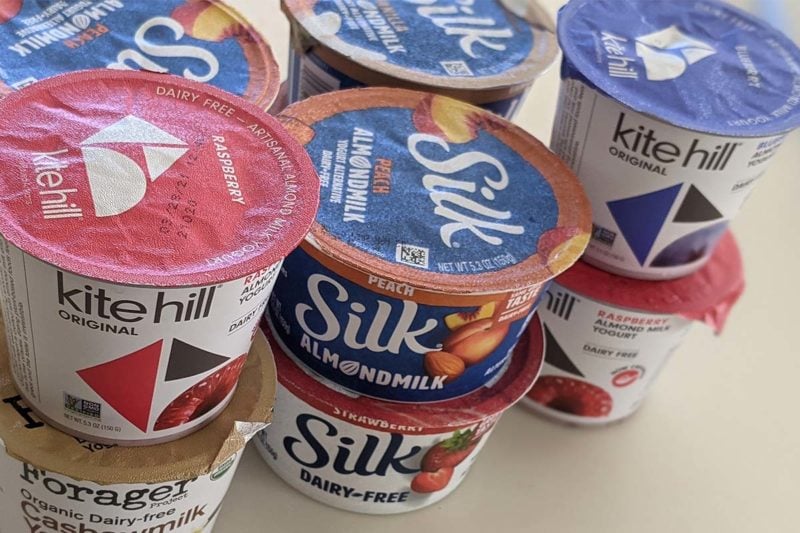
Dairy-based yogurts are available in sweetened and flavored varieties. Larger containers usually deliver a big savings when measured by weight. Silk’s Peach & Mango soy yogurt delivers exceptional flavor and smoothness. Other brands of non-dairy yogurts include Forager, Kite Hill, So Delicious, and Trader Joe’s.
Cheese
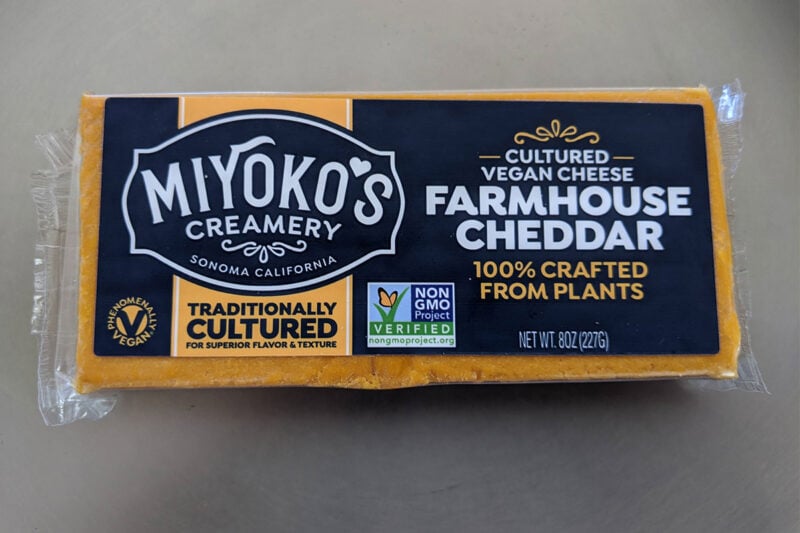
You’ll have no problem finding excellent non-dairy cheeses with wonderful taste and texture. We list all the top brands on our vegan cheese page. If the label does not say vegan, always check the ingredients for casein or sodium caseinate, which are milk-based proteins. Vegan-based casein will soon be available, and its primary use will be for the next generation of vegan cheeses.
Butter
Vegan butters have come a long way. Several brands offer wonderful flavor. Several premium brands use organic ingredients, and offer flavors that compare favorably to butter made from cows’ milk. And most supermarkets carry Earth Balance, an excellent mass-market product. If you want to embark on a challenging but rewarding cooking project, you can also make superb vegan butter in your kitchen by following this recipe.
Ice Cream
Ice cream giants Ben & Jerry’s and Häagen-Dazs both produce vegan pints, and Häagen-Dazs also offers two varieties of vegan chocolate covered bars on a stick. So Delicious’ Dairy-Free pints are outstanding, and conventional ice cream producer Double Rainbow makes several excellent varieties from soy milk.
Both So Delicious and Tofutti make vegan versions of those junky but delicious ice cream sandwiches you ate as a kid—you won’t be able to tell the difference! Also, be sure to sample some sorbets, which tend to be vegan and are lighter and often more flavorful than ice cream.
For even more vegan ice cream brands, plus information on how to make your own, visit our vegan ice cream page.
Cream Cheese
Once again, you’re in luck. Several companies make sensational dairy-free cream cheese: Kite Hill, Follow Your Heart, Daiya, and Tofutti.
These brands are available at most natural food stores and many supermarkets.
Sour Cream
Your baked potatoes need never go naked, nor your nachos ungarnished. Follow Your Heart, Kite Hill, and Tofutti make vegan sour cream.
Mayonnaise
There are also several vegan brands of mayonnaise. Follow Your Heart makes seven varieties of “Vegenaise.”
Coffee Creamer
There’s no need for cream: Califia Farms, So Delicious and Silk make vegan creamers that blend perfectly into coffee.
Pudding
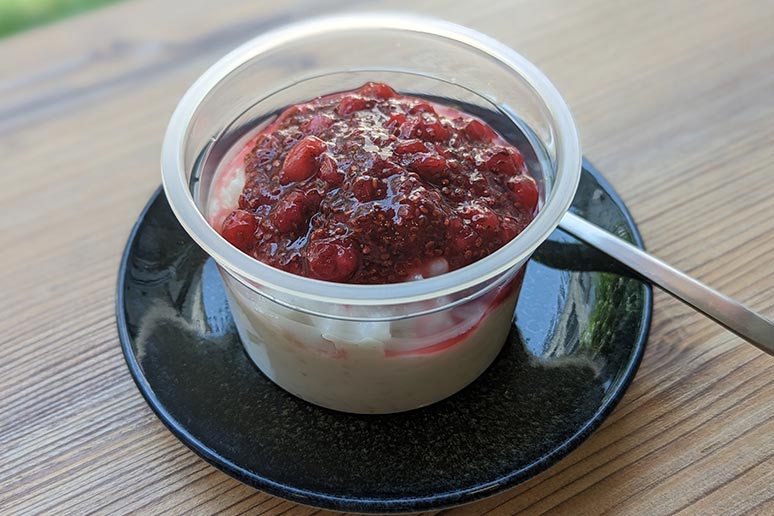
Bestselling cookbook author Mark Bittman concocted perhaps the best chocolate pudding recipe you’ll ever try, and it doesn’t contain a drop of milk. Zen makes refrigerated vegan pudding cups made from soy milk and almond milk.
Is Vegan Dairy-Free?
When moving toward a dairy-free diet, making an effort to try more vegan foods will speed your progress. Vegan foods never contain dairy, since veganism excludes all foods of animal origin. This in turns mean that:
- All vegan cookbooks are 100 percent dairy-free.
- Any restaurant menu offerings designated as vegan are likewise dairy-free.
- There are hundreds of vegan products, from chocolate to frozen foods, that can further help you transition to a dairy-free lifestyle.
So even if you would never go vegan, the foods and resources marketed to vegans can help to banish dairy from your diet. Every time you encounter something that’s vegan, you’ve discovered yet another dairy-free item you can add to your diet.
Nutritional Considerations
As you remove dairy products from your life, you’ll need to pay attention to calcium, protein, vitamin D, and iodine. Of these, only protein is naturally present in milk—vitamin D and iodine get added during milking and processing. Regardless, these three nutrients are all a vital part of a balanced diet. Luckily, they’re all easy to get from non-dairy sources.
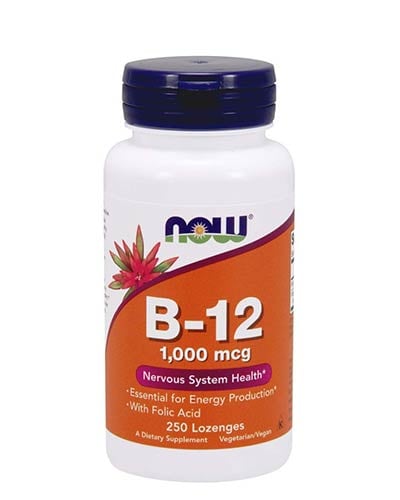
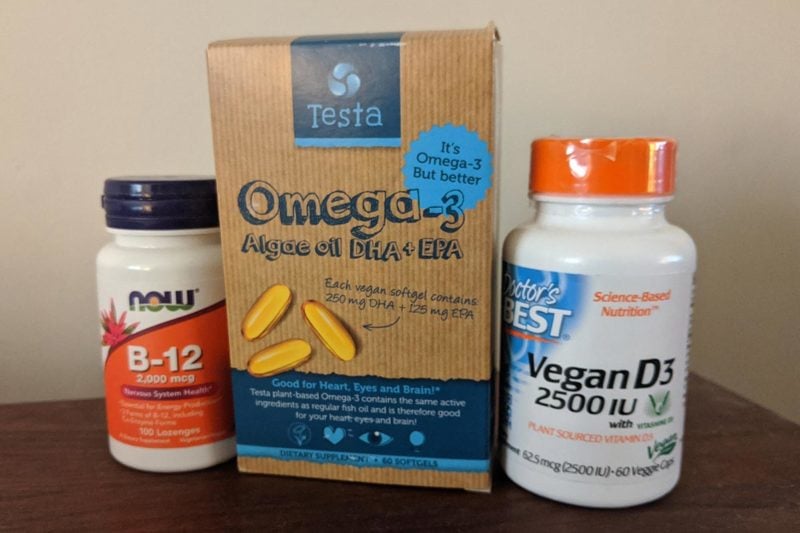
For comprehensive information on how to steer clear of deficiencies, our Vegan Nutrition Guide is well worth your time. Finally, please check our supplements guide for detailed information about satisfying your body’s requirements.
Calcium
Most dairy products are rich in calcium, but dairy is not the only excellent source of this nutrient. Other rich sources include:
- some leafy greens
- some beans
- calcium fortified vegan milks
- calcium-set tofu
For some people, a calcium supplement may be advisable. To learn more, check our calcium overview.
Protein
There’s no denying that milk offers a rich source of protein, but there’s nothing about dairy that makes it a better source than other protein-rich foods. Not all dairy products have much protein, either. Cheese has much less protein per calorie than milk, and butter has no protein to speak of since it’s pure fat.
So, make a point of seeking out dairy-free alternatives that contain substantial amounts of protein. In particular, that means avoiding almond and rice milk, since neither of these milk alternatives contain much protein.
My protein guide offers complete information to keep you from falling short of this key nutrient.
Vitamin D
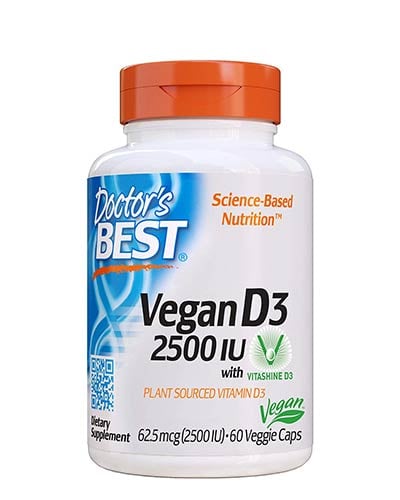
Government regulations require dairy producers to fortify milk with substantial amounts of vitamin D. If you consume a lot of milk products, most of your vitamin D probably comes from dairy. If that’s the case, and you decide to go dairy-free, taking a vitamin D supplement can make sense. Vitamin D is never found in non-supplemented foods, so for many people a supplement is the most convenient and reliable way to avoid deficiency.
Some vegan milks are also supplemented with Vitamin D. Opt for a brand that contains about 25 percent of the RDA per serving.
Iodine
When it comes to meeting your nutrition needs, iodine can easily slip through the cracks. About the only two reliable sources of iodine in Western diets are dairy products and iodized salt.
While many other foods contain iodine, the levels vary wildly depending on the mineral content of the farmland. Seaweed can provide an excellent source of iodine, but the amount present fluctuates dramatically from one variety to the next.
Since dropping dairy products from your diet will eliminate a significant source of iodine, make sure to replace it with another excellent source. The Academy of Nutrition and Dietetics offers reliable information on meeting your needs.
Dairy-Free Cookbooks
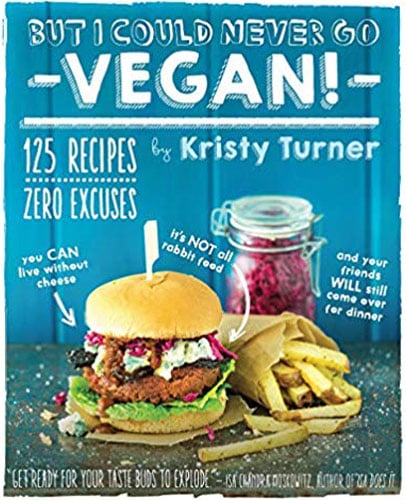
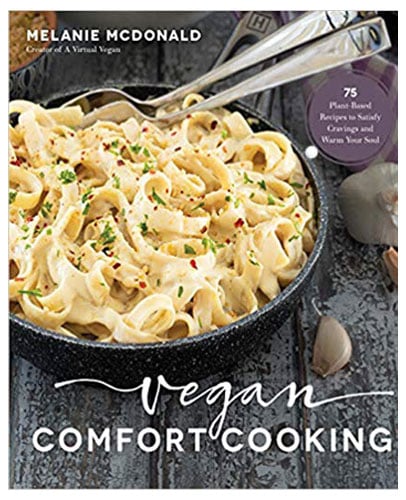
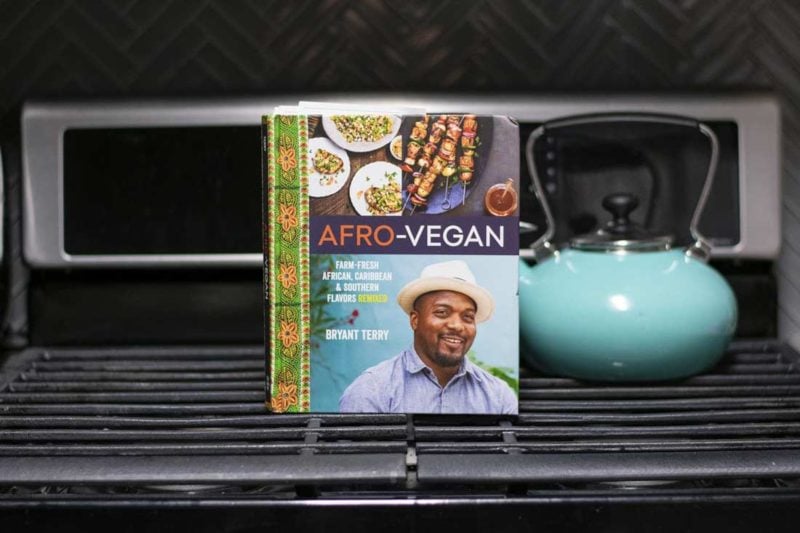
The easiest way to find a dairy-free cookbook is to choose any cookbook with vegan in its title. There are hundreds of vegan cookbooks available covering every sort of food and cuisine you could possibly imagine. By searching for vegan cookbooks, you’ll discover a far wider range of titles than if you seek out books marketed as dairy-free.
Start with a cookbook offering a diverse assortment of easy recipes that take just a few minutes to prepare. Two excellent choices are Laura Theodore’s Easy Vegan Home Cooking or Mary Mattern’s Nom Yourself.
If you want to make meals that are a little more upscale, check out titles like Happy Healthy Vegan Kitchen or Vegan Eats.
Making Your Own Dairy Alternatives
We’ve already seen that natural food stores sell every imaginable sort of dairy substitute. But you can also make your own dairy replacements from scratch. Catherine Atkinson’s The Vegan Dairy, offers recipes for every conceivable variety of dairy product. It’s got recipes for milks, various styles of cheeses, yogurt, and more. On top of all this, the book features several dozen hard cheese recipes.
You can also make vegan milks at home—an easy project that offers great savings over dairy-free brands. The New Milks is a beautifully organized and photographed cookbook featuring recipes for all sorts of vegan milk varieties, using your choice of soybeans, nuts, seeds, or grains.
Additionally, a number of outstanding cookbooks focus entirely on dairy-free cheese. These titles include:
- Super Easy Vegan Cheese Cookbook, by Janice Buckingham
- One-Hour Dairy-Free Cheese, by Claudia Lucero
- This Cheese is Nuts!, by Julie Piatt
Trying just a few of the recipes from cookbooks like these will surely convince you that cows are obsolete!
Dairy-Free Baking & Desserts
If baking is your thing, the dairy-free options are endless. My Vegan Baking Guide gives you all the advice you’ll need to get started. Thanks to the growing popularity of vegan lifestyles, there are a number of dairy-free baking cookbooks. Two comprehensive titles are The 100 Best Vegan Baking Recipes and Whole Grain Vegan Baking.
For fantastic dairy-free dessert cookbooks, check out:
- Modern Vegan Baking, by Gretchen Price
- Chocolate-Covered Katie, by Katie Higgins
- Chloe’s Vegan Desserts, by Chloe Coscarelli
- Vegan Cookies Invade Your Cookie Jar, by Moskowitz & Romero
Give dairy-free baking recipes a try and you’ll undoubtedly achieve impressive results. When it comes to baking delicious breads and desserts, going dairy-free entails nothing in the way of sacrifice.
Your Dairy-Free Diet Will Keep Getting Easier
Whether you want to cut down on dairy or eliminate it entirely, the transition requires surprisingly little effort. And the longer you stick with it, the more new foods you’ll discover, and the easier it gets.
So why not make a commitment to try out a dairy-free lifestyle for a month? Simply by making this temporary commitment, you may enjoy such compelling benefits that you’ll never go back.
You might discover, like I did, that dairy products were gumming up your body and significantly reducing your quality of life. Looking back now, I resent how much dairy products stole from me, in terms of the constant sinus congestion I suffered for so many years. And this doesn’t even get into how much animal suffering occurred in order to produce all the milk and cheese I once consumed.
So, for me, the “non-dairy” label doesn’t go far enough. I now proudly embrace an ANTI-dairy lifestyle, a term coined by the people at the now-defunct Hug Life Ice Cream company. There’s something uniquely satisfying about ridding your life of this horrible food once and for all, while showering it with the scorn it so richly deserves.