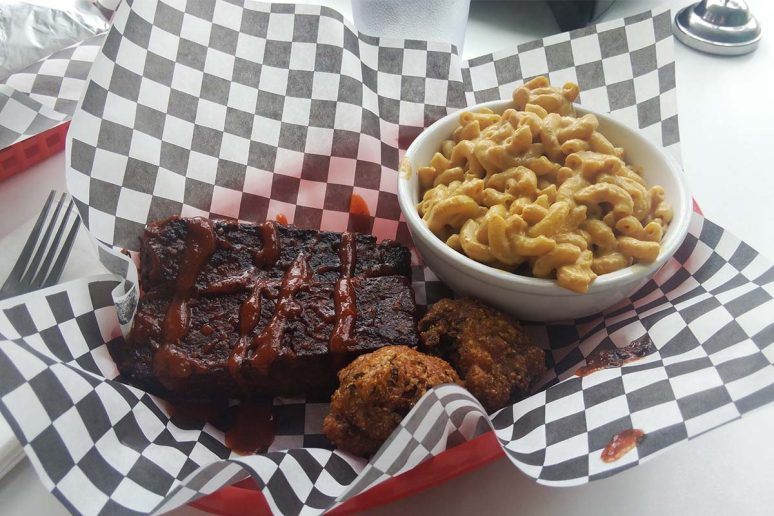
Soul food is an enigma. It’s a cuisine originally based on inexpensive, fatty, “low on the hog” cuts of meat. Yet at the same time, it’s also one of the easiest of all cuisines to veganize—and one that can be prepared in a supremely healthful manner.
Soul food grew out of African American southern culture, dating back to the slavery era. From a nutrition and degenerative disease perspective, traditional soul food strikes out after three pitches. Strike one is that, since fatty cuts of pork occupy a prominent position in soul food cooking, these meals usually deliver imprudent amounts of saturated fat. Strike two is that mac-and-cheese among is most popular dishes—as with the meaty dishes, there’s no fiber but loads of saturated fat. And strike three is that, as with other cuisines originating in the Southeastern United States, “sweet tea” and other sugary beverages are common meal accompaniments. So in terms of cardiovascular and diabetes risks, it’s hard to do worse than traditional soul food.
On the plus side, soul cooking has one shining virtue: several sensational vegetable-based dishes including green beans, sweet potatoes, and collard greens provide loads of nutrition. Admittedly, when traditionally prepared, these dishes are typically seasoned with bacon drippings. But that’s of course easily avoided if you’re doing your own cooking. And there’s plenty more where that came from: gumbo-style stews, red beans and rice, cornbread, and sweet potato pie are among the most popular soul food meals that are easily prepared vegan.
Vegan-inspired soul food lets you bypass the health risks of traditional soul food, while tapping into the wonderful styles of vegetable preparation that are at the heart of this cuisine. Fatty cuts of meat are commonly replaced with tofu, seitan, and gluten-based foods—all of which deliver the protein and satiety of meat but without the unhealthful amounts of saturated fat.
The Emergence of Vegan Soul Food
In the 1970s and 1980s, vegans in the USA were overwhelmingly white. But in the early 2000s, the vegan lifestyle made big inroads within various black communities. Part of this was due to Jamaica’s vegan-leaning Rastafarian culture, which embraced and helped influence the evolution of American soul food. Other Caribbean island nations likewise contributed along these lines, and modern vegan soul food now draws from both Southeastern and Caribbean cooking.
In consequence, many big American cities contain at least one vegan soul food restaurant. New York, Detroit, and Chicago each have several such restaurants, and Atlanta—the vegan capital of the Southeast USA—has at least a dozen. Maybe there’s a vegan soul food restaurant near you—search your location on Google Maps for vegan soul food and see what comes up.
Vegan soul food hits the sweet spot that results from pairing the most decadent foods with the most highly nutritious foods. You’re likely to see heaps of macaroni and vegan cheese alongside perfectly cooked collard greens. Or imagine some fried vegan chicken served next to a steaming dish of mashed sweet potatoes. In the entire realm of vegan cooking you won’t find a cuisine that does a better job of filling you up, while simultaneously giving you a massive dose of veggies.
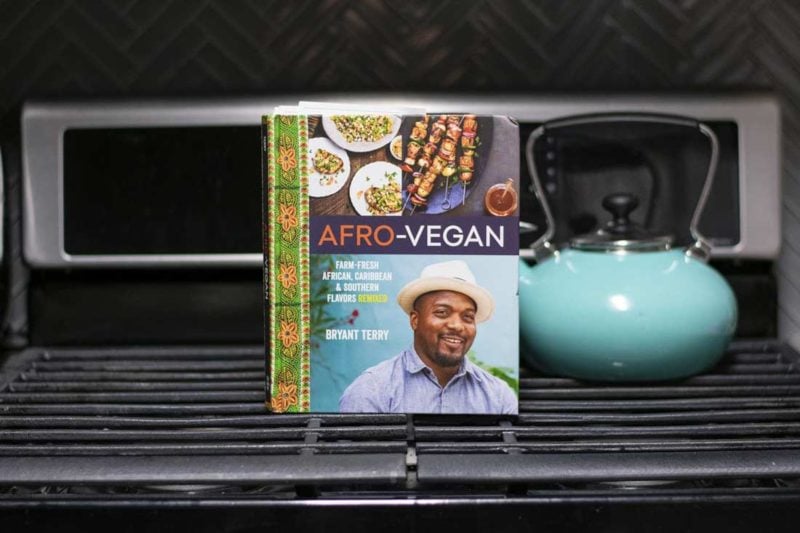
Vegan Soul Food Cookbooks
There are also excellent vegan soul food cookbooks on the market, specifically:
- Sweet Potato Soul Vibes, by Jenné Claiborne
- The Vegan Soul Food Cookbook, by Nadira Jenkins-El
- Vegan Soul Kitchen, by Bryant Terry
All cuisines are constantly evolving, and none is evolving more quickly in a healthful direction than soul food. As American soul food restaurants fuse classic soul food dishes with the most healthful Caribbean recipes, we’re seeing the creation of a new and authentically American style of vegan cooking. So if you’re vegan and looking to add a new dimension to your cooking, a vegan soul food cookbook will open up all sorts of delicious possibilities.