No matter what anybody says, you can get plenty of protein on a vegan diet. This article takes you through the best vegan protein sources, and shows how to easily satisfy your protein needs.
Protein for Vegans: Basic Information
During the 1970s and 1980s, conventional wisdom held that vegetarians and vegans ran severe risks of protein deficiency. Much of this concern arose from the first bestselling vegetarian advocacy book, Diet for a Small Planet, written by Frances Moore Lappé and published in 1971. In hindsight, the book’s protein recommendations were needlessly stringent. But I don’t blame Lappé for taking a better-safe-than-sorry approach at a time when so little was known about vegetarian nutrition.
Diet for a Small Planet, however, unfortunately helped create a longstanding myth that vegetarians and vegans face severe challenges when it comes to getting enough protein. Over the next few decades, multiple studies coupled with the lack of vegans dropping dead from acute protein deficiency extinguished that hysteria. Today, the pendulum has sadly swung too far in the opposite direction, creating complacency. There are now vegans who believe that protein doesn’t deserve any consideration, and who mock the entire topic as illegitimate.
But belittling the importance of protein is completely misguided. Although vegans can indeed get plenty of protein, some vegans fall short. If you’re vegan or mostly plant-based, it’s therefore risky to disregard the topic. Plus, protein-heavy meals can deliver greater satisfaction and fulfillment. I eat protein-rich meals as much for the added satiety as for the nutrition. A vegetable stir-fry would leave me hungry a couple of hours after eating, but adding in some tofu and drizzling on some garlicky peanut sauce will keep me going all afternoon.
Severe vs. Moderate Protein Deficiency
When it comes to protein, a dire medical condition called kwashiorkor leads to a lot of confusion. This disease arises from long-term acute protein deficiency, and typically only appears in areas of famine, or among people with severe eating disorders. Relatively tiny amounts of protein are all it takes to avoid kwashiorkor, so for obvious reasons this deficiency disease is unheard of among vegans—even those consuming suboptimal amounts of protein.
Some vegans believe an absence of kwashiorkor means their protein intake is sufficient. This is a profoundly misguided belief, since avoiding kwashiorkor does not indicate that your protein status is even close to ideal.
What’s more, there’s no clear-cut way to know for sure whether you’re getting all the protein your body needs. Even blood tests can’t reliably determine whether you are coming up short. Instead, a variety of symptoms may indicate mild to moderate protein deficiency:
- chronic fatigue
- high blood sugar or triglyceride levels
- inability to maintain sufficient muscle mass
- depression
While there are countless terrible things about meat, milk, and eggs, it’s undeniable that these foods contain plenty of protein. If you replace the animal products in your diet with vegan foods lacking in protein, you could get into trouble. Fortunately, since there are plenty of high-protein vegan foods, it’s easy for vegans to ensure their protein needs are nicely met.
Vegan Protein Recommendations
The Mayo Clinic says that 10 to 35 percent of daily calories should come from protein. After age 40, they recommend consuming at least one gram of protein daily for each kilogram of body weight. So, for example, a 68 kg (150 lb) adult should eat about 70 grams of protein per day. Additionally, much of this protein ought to be rich in an essential amino acid called lysine.
Many popular vegan foods, including corn and rice, are low in lysine. By eating lysine-rich foods like soy products, beans, and quinoa, you’ll enable your body to properly convert the amino acids from low-lysine foods into usable protein. That can help with muscle strength and bone health.
Compare Mayo Clinic’s recommendations with your daily eating habits to see how your current diet stacks up. You may discover that you need to eat more protein, and perhaps also more lysine-rich foods. Luckily, accomplishing this is remarkably easy.
The Best Vegan Protein Sources
Boosting your intake is as easy as eating more of these protein-rich foods:
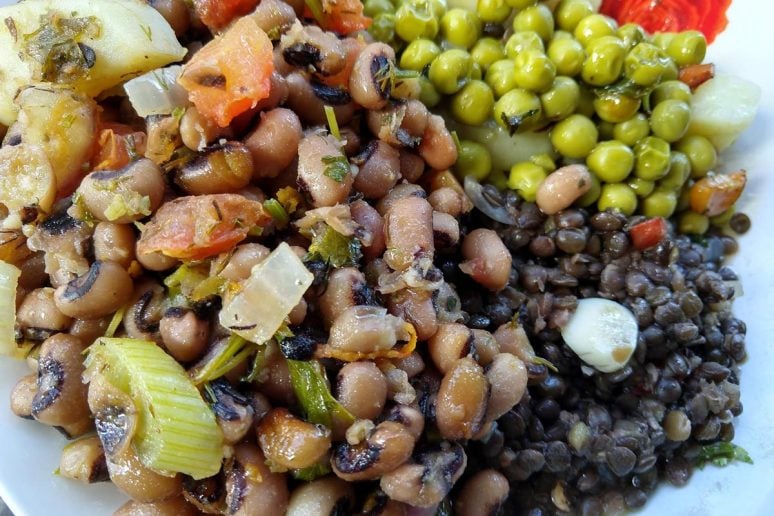
- Beans, including lentils and split peas
- Tofu
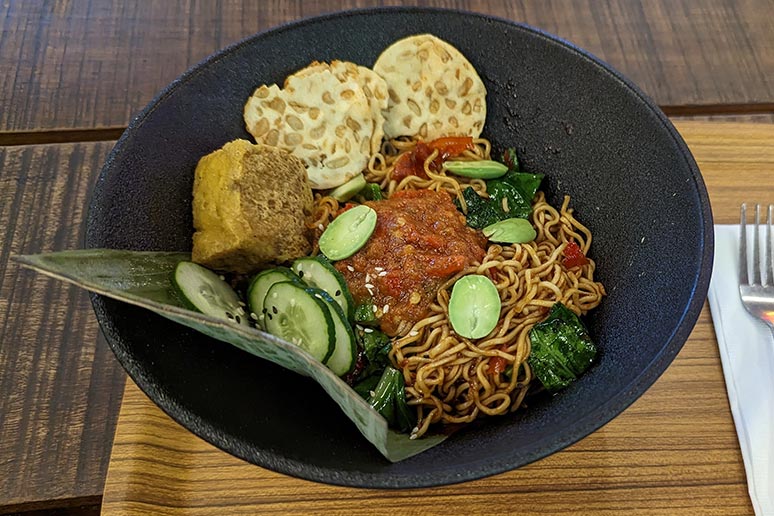
- Tempeh
- Unsweetened soy milk (and pea-based milk like Ripple)
- Protein powder (choose a vegan brand like Orgain)
- Vegan meats (most brands, but not those made from jackfruit)
- Seitan (wheat gluten)
- Edamame (soybeans, usually served in their inedible pods)
- Nutritional yeast
- Hemp seeds
- Nuts & peanuts
- Green peas (fresh or frozen)
- Quinoa
- Buckwheat
- Many vegan energy bars
Most vegans with excellent protein status will eat plenty of beans, plus soy foods like tofu, tempeh, and soy milk.
My beans page explains how to prepare beans in ways that maximize digestibility. Instead of beans, you may end up preferring foods like tofu, tempeh, and soy-milk as your primary sources. Not only are these soy products more easily digested than whole beans, they contain even greater amounts of protein.
If you’re having trouble meeting protein guidelines, vegan protein powders can be a godsend. These powders provide a big dose of protein, in a form that’s convenient and easy to digest. Most brands of protein powder deliver about 20 grams of lysine-rich protein per serving.
Note that many protein powders contain whey, and are therefore not vegan. But there are several excellent vegan brands. Orgain makes an organic vegan protein powder that sells for half the price of similar products. Buy a shaker cup and you won’t have to clean your blender each time you prepare a serving.
Protein-Rich Recipes
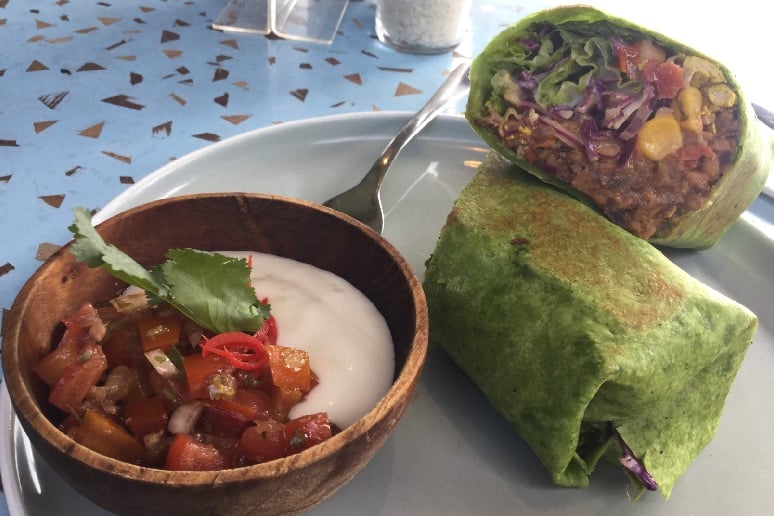
If your current protein intake falls short of ideal, adding just a few protein-rich meals to your cooking repertoire may be all it takes to boost your consumption to adequate levels. Here are four vegan cookbooks devoted entirely to protein-rich meals.
- The High-Protein Vegan Cookbook for Athletes, by Braddock & Stark
- The Plant Protein Revolution Cookbook, by Robin Robertson
- The High-Protein Vegan Cookbook, by Ginny Kay McMeans
- The Great Vegan Protein Book, by Steen & Noyes
It’s reasonable to speculate that many people who fail to thrive on a vegan diet aren’t consuming sufficient protein. Since meat and eggs contain loads of protein, a vegan suffering moderate protein deficiency would likely feel better within days of switching back to eating those foods. The best way to avoid deficiency is to keep an eye on your daily protein intake, and ensure it’s consistent with recommendations. If you’re on the margins, a daily vegan protein powder drink can close the gap. A little attention and vigilance can prevent significant and unpredictable health problems down the road.