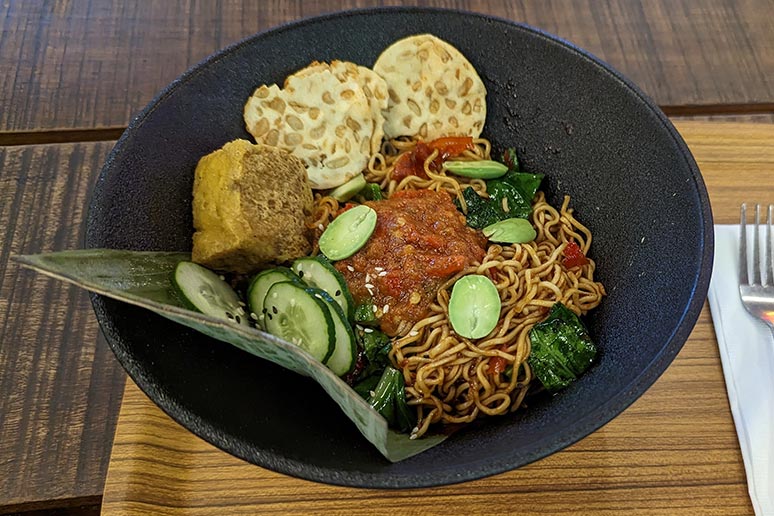

Tofu doesn’t get anywhere near the respect it deserves. No matter your diet, this versatile soy-based food has much to offer. You can incorporate tofu into your cooking in an endless variety of healthy and delicious ways.
For those times when you want something quicker and easier to prepare than dried beans, tofu and canned beans are comparably nutritious foods. But tofu’s a first-rate choice while canned beans can’t compare to beans made from scratch.
What is Tofu?
Tofu is a traditional Asian food, made from coagulated unsweetened soy milk pressed into blocks. Its virtues are numerous: it’s inexpensive, easy to prepare, nutrient-rich, and incredibly versatile. Once you factor in the time it needs to heat up, even a pressure cooker requires nearly an hour to cook most bean varieties. But tofu provides comparable nutrition to cooked beans and is ready right away. Its convenience, versatility, and healthfulness make tofu the perfect food for vegans and people wanting to eat more plant-based foods.
Although it was first probably invented in China, today every Asian country prominently features tofu in its cuisine. It’s especially popular in parts of Asia where Buddhism has a strong presence, since many Buddhists are vegetarian and rely on tofu as a primary protein source. Across Asia, many people treat tofu the same way the French treat bread—as a food purchased fresh each morning to be eaten the same day.
If you have trouble digesting beans, you really must give tofu a shot. It offers comparable amounts of protein and other nutrients, but it’s much easier to digest.

Where to Buy Tofu
Supermarkets stock tofu in the refrigerated section. A good natural foods store will offer a better selection than what your typical supermarket carries.
But the very best way to buy it is from Asian grocery stores that sell it fresh. This tofu doesn’t come packaged; you’ll use tongs to grab a block out of a shallow tub filled with water.
If you’re visiting Asia, tofu is ridiculously cheap. Even in Japan, which is among Asia’s most expensive countries, you can buy high-quality tofu for one-fourth of what it costs in Western countries. I’m guessing that since tofu is so popular there, Japanese groceries sell it as a loss-leader to get customers into the store.
Soybeans are one of the most common genetically modified foods, but it’s easy to find non-GMO tofu. Organic certification bars the use of GMO crops, so as long as your tofu is made with organic soybeans it’ll be GMO-free. Nearly every brand sold at natural food stores features organic soybeans as its main ingredient.
Firm, Soft, and Medium Varieties
Most brands of tofu come in both soft and firm varieties. Some brands are also available in medium or extra-firm.
Try them all and see which texture you prefer—any type works fine in most recipes. But if you’re going to cube your tofu for stir-fries, go with a firm or extra-firm variety since soft tofu breaks apart if stirred frequently during cooking.
Silken Tofu
Silken tofu gets its name from its glossy custard-like texture. Suitable for nearly any recipe that calls for tofu, it’s a fantastic variation that provides an entirely different texture. As with regular tofu, it’s available in varieties ranging from soft to extra firm.
Certain baked recipes, including chocolate or pumpkin pies, often call specifically for silken tofu. It also makes a wonderful dessert pudding. Plus, you can add a little silken tofu to smoothies for a nice protein boost.
Unlike regular tofu, you probably won’t find silken tofu in your grocery’s refrigerated section. It’s usually a shelf-stable product packaged in aseptic “juice box” style cartons. Every good natural food store carries it, and because it’s imperishable you can also purchase it from Amazon.com and other online retailers. With its lengthy shelf-life, it’s a terrific food to stock in the pantry in case of emergencies.
Artisan Tofu
If you’re lucky, you’ll have an artisan soy-foods shop in your city. These shops produce a number of tofu varieties that are nothing like the standard white blocks sold elsewhere. These businesses are often inspired by Japan’s traditional tofu shops that make special varieties of tofu in small batches. The particular varieties of artisan tofu you buy will each have their own recommended method of preparation, so be sure to inquire when making your purchase.
One variety of Japanese tofu you must try is tofu misozuke. This fermented soy food—which is basically a cross between tofu and miso—is delicious when spread on crackers. It’s also sensational when mixed into marinara sauce, spiced up with hot peppers, and served over pasta with some nutritional yeast.
The Japanese also make a variety of tofu called yuba, which is a dehydrated skin-like product made from curdled soy milk. Western supermarkets don’t typically carry it, but you can find yuba at most Asian groceries or you can order it online. Yuba comes in brittle dried sheets. In addition to appearing in many Japanese recipes it’s also a key ingredient of Chinese “hot and sour” soup.
Baked Tofu
Many salad bars offer regular tofu cut into cubes. I can’t think of a less appetizing way to serve tofu. But take heart, since there is a tofu variation called “baked tofu” that’s ideal for salads. Most natural food stores sell baked tofu in their refrigerated section. Unlike regular tofu, which is packed in water-filled tubs, baked tofu comes laminated in plastic sheets. The stuff is denser and chewier than most tofu, and is marinated in either tamari or teriyaki sauce prior to baking. Slice it thinly and add it to your salads, and it’ll provide a substantial amount of protein and increase satiety. Thinly-sliced baked tofu is also outstanding in sandwiches and wraps.
Baked tofu might be one of the easiest things you can cook at home, and doing so yields substantial savings over buying a packaged version. Measured by weight, baked tofu usually costs at least triple the price of regular tofu. That’s quite a bit of extra money for something you can easily prepare yourself. Here’s how to make your own baked tofu:
- Slice your tofu into strips.
- Marinate it for a few hours in your favorite sauce.
- Bake 30 minutes at medium heat, turning halfway through, on a baking sheet. Prevent sticking by using parchment paper or a silicone mat.
This is one of the easiest recipes ever created, and you’ll cut costs by more than half compared to buying packaged baked tofu.
Storing Tofu
Some packaged tofu is processed at high temperatures and has an expiration date about two months after packaging. But whenever possible, I like to follow the Asian practice of buying freshly-made tofu and eating it the same day.
If you’ve opened a pack of regular or silken tofu and you can’t use the full contents immediately, here’s how to store it. Submerge the unused portion in fresh water in a covered container, and refrigerate. Change the water at least daily and try to finish the tofu within a few days.

Tofu and Calcium
All tofu is nutritious, but not all brands are comparably rich in calcium.
Soy milk is solidified into tofu through one of two coagulants: magnesium sulfate, or calcium sulfate. Sometimes these substances won’t appear in the ingredients—the label will instead list “nigari,” which is the Japanese term for minerals rich in magnesium sulfate.
If you wish to add a substantial source of calcium to your diet, opt for tofu made with calcium sulfate. It’s an especially good choice if you have sworn off dairy products, since it contains a substantial amount of calcium in every serving.
Since it’s easy to come up short on calcium no matter what diet you follow, please check out my guide to calcium.
How to Cook with Tofu
You can cook tofu in dozens of satisfying ways. Its ability to take on a variety of textures makes tofu incredibly versatile. One little-known preparation technique you should try is to slice firm tofu into thin strips and then freeze it overnight. Your tofu will thereby gain a chewy, meaty texture that’s perfect for dishes like a spicy Mexican chili.
Many recipes call for pressing some of the liquid out of the tofu prior to cooking. To accomplish this, put the tofu between two dinner plates and place a book or two on top for a few minutes. If you frequently make tofu-based dishes, you may wish to invest in a tofu press.
Cooking Your First Tofu Meal
Given the thousands of recipes that feature tofu, what’s the best recipe for newbies? For your first effort, consider either including tofu in your next stir-fry, or making scrambled tofu.
Stir-fries
Tofu is practically a must-add ingredient for stir-fries. It brings a big dose of added protein. Plus, it’ll make the meal much more satisfying. A stir-fry made with nothing but veggies can leave you feeling hungry thirty minutes later. Adding in some cubed tofu gives your meal a lot more heft.
It’s best to start your stir-fry by cooking the tofu first. Make sure to choose either firm or extra-firm tofu, since softer varieties fall apart when stir-fried. Start by pressing your tofu for a few minutes, in order to squeeze out excess water, and then cutting it into cubes. Use an oil with a high smoke point, since you’ll want to be frying your tofu cubes over at least medium heat. Keep the cubes turning and moving during cooking, but be gentle so they stay intact. Sauté until they begin to develop a golden color. Next, set aside your cooked tofu in a separate bowl and cook the remainder of your stir-fry. You can add the tofu back at the end, just before adding any sauces and seasonings.
Stir-fries are so versatile, healthy, and delicious that they’re something every cook ought to master. Check out my extensive instructions to making a fantastic stir-fry.
Scrambled Tofu
This is one of the world’s best vegan brunch entrees, and an ideal dish to make if it’s your first time cooking tofu. There are countless online recipes and cooking videos for scrambled tofu. This version from Hot For Food is so easy and flexible that it might become your default choice. But whichever recipe you try, you can’t go wrong by following these three rules:
- Use plenty of vegetables, especially onion and garlic.
- Whenever possible, mix in a few thinly-sliced canned chipotles at the end of cooking.
- Always mix in plenty of nutritional yeast just before serving!

More Tofu Cooking Variations
Despite its Asian origin, tofu is astonishingly good in Mexican cooking. For any savory Mexican food—like burritos, enchiladas, or tamales—sliced sautéed tofu will add an extra dimension to your meal. The neutral flavor of tofu blends perfectly with classic Mexican sauces and spices.
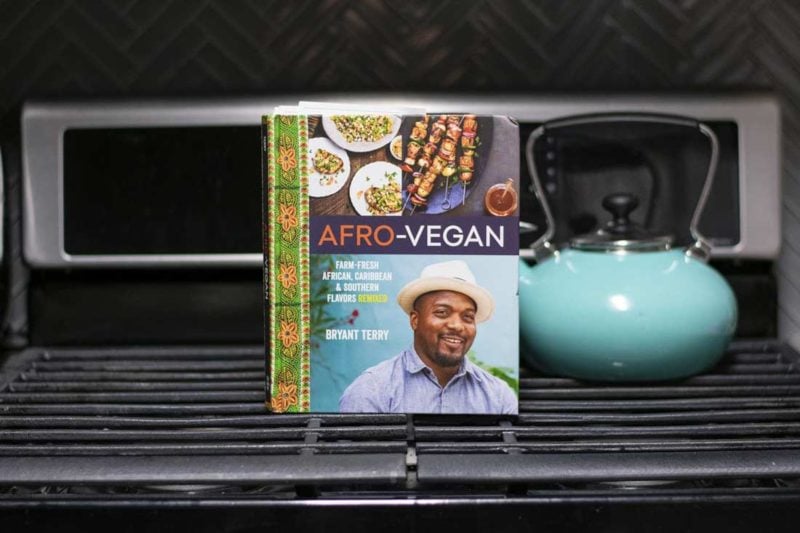
Tofu also lends itself perfectly to American soul food, and Caribbean island meals. Vegan cookbooks devoted to these cuisines often feature tofu in a wide assortment of dishes.
Other popular dishes featuring tofu include:
- Indian curries (in place of meat)
- Barbecued tofu—grill or bake tofu and add a little barbecue sauce
- Spicy taco or burrito fillings
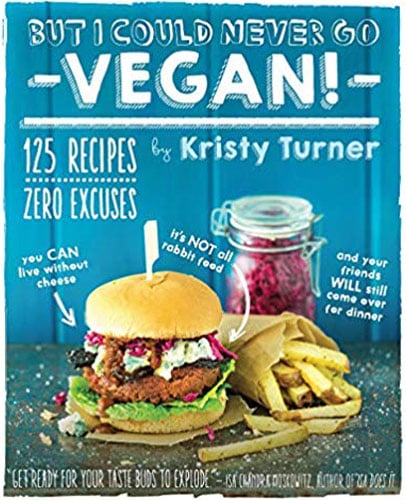
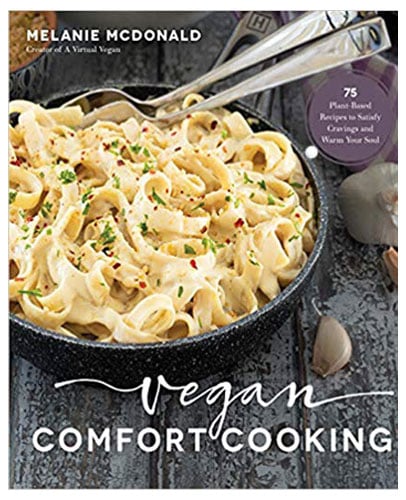
There are several tofu-based cookbooks. A word of warning: just because a cookbook or restaurant prominently features tofu, that doesn’t mean its dishes are vegetarian! I once visited a restaurant with the word tofu in its name, and while it included tofu in every menu item, not one of its dishes was vegetarian. Fortunately, there’s a very nice all-vegan tofu cookbook called Totally Tofu that offers recipes suitable for breakfasts, main courses, and desserts.
Deep-Fried Tofu
The least healthful cooking method for tofu is undeniably delicious. Cut your tofu into cubes two or three centimeters on a side and immerse in hot oil for a few minutes until golden. Or, use an air fryer instead for a healthier version that involves far less cleanup.
Deep frying doesn’t add much flavor but it’ll render your tofu chewy on the outside and soft and tender on the inside. Use as a topping for stir-fries, or impale with toothpicks and accompany with a flavorful dipping sauce.
Related High-Protein Foods
Tofu might be the greatest thing to ever happen to vegetarians, but you should also give its cousins—tempeh and seitan—a try.
Like tofu, tempeh is a soy product, but it’s a less processed food since the beans are merely cracked rather than liquefied. You can use tempeh in place of tofu in many recipes, especially stir-fries.
Seitan has a wonderfully chewy consistency that’s even meatier than tofu. Unlike tofu, seitan is made from wheat rather than soy. People with gluten sensitivity should steer clear, though, since seitan doesn’t merely contain gluten, it is gluten! And since gluten is a type of protein, that in turn means that seitan is among the most highly-concentrated protein sources available. A little seitan therefore goes a long way, and no vegan food will fill you up faster than a seitan-based dish.