
Milk might seem a compassionate alternative to meat since the links between dairy products and animal cruelty aren’t generally obvious. The reality, however, is that the dairy industry is exceptionally unkind to its animals. And all dairy cows inevitably end up in the slaughterhouse.
Dairy Industry Cruelty
We’ve all witnessed cows grazing grassy hillsides, and this sight doubtless convinces many people that most dairy cows have reasonably good lives. In reality, however, the vast majority of dairy cows never have the opportunity to graze outdoors. In Wisconsin, the state that still stamps “America’s Dairyland” on its automobile license plates, only about 26 percent of its cows graze pasture. The rest spend most of their lives chained or otherwise immobilized within cramped stalls. Most mega-dairies confine upwards of 1,000 cows in a single location.
The Hidden Costs of High Milk Yields
To increase milk yields, dairy farms rely on selective breeding. These breeding programs have enabled each cow to produce four times as much milk per lactation than they did in the 1950s. Unfortunately, these increased yields have led to higher disease rates. High milk yields increase the risk of mastitis—the swelling of the mammary glands usually due to infection. Mastitis should concern any milk drinker wanting wholesome food. Milk from cows suffering mastitis inevitably contains elevated amounts of “somatic cells”—the dairy industry’s euphemism for pus.
Suffering Related to Repeated Pregnancies
Dairy cows are typically artificially inseminated once a year. Since each pregnancy lasts nine months, dairy cows spend most of their lives pregnant. Like every other mammal, mother cows form powerful and immediate maternal bonds with their newborns. But in nearly all cases, the calf is forever taken away from the mother just a day or two after birth. The dairy industry, after all, doesn’t want the calf drinking the mother’s milk—it wants all the milk to be packaged and sold. Calves receive a cheap formula made partly from slaughterhouse blood products.
Cows become extraordinarily upset when their calves are taken away—it’s common for them to bellow nonstop for days. In some cases, these normally gentle animals will attack workers who’ve come to take their newborns. And during milking, some cows will deliberately kick employees. The problem is sufficiently widespread that some dairies install metal guards that prevent cows from kicking when milked. In the United States alone, beef and dairy cattle consistently kill about 20 workers per year.
The strain of repeated pregnancies and heavy milk production wears down the animals and commonly causes serious health problems. One of the most widespread problems on dairies relates to “downer cows”—animals so weakened by the stresses of milk production that they’ve become unable to stand. A large-scale audit performed by the USDA in 1994 found that 5.8 percent of dairy cows suffer severe lameness upon arrival at slaughterhouses.
Dairy Cows Face Overt Animal Cruelty
Everything covered so far relates to fundamental problems that are structurally built into the dairy industry. These objections can’t be meaningfully addressed without rebuilding the industry from the ground up.
But overt and deliberate animal abuse also occurs. Numerous undercover investigations have exposed unconscionable cruelties at dairies, stockyards, and cow slaughterhouses. Perhaps the most disturbing incident involved a dairy calf facility that failed to adequately shelter the animals during a severe cold snap. Workers killed the severely frostbitten calves by splitting their heads with a pickaxe.
Cruelty-Free Dairy Alternatives
Since the milk industry carries out so many disturbing practices, it’s good to know you can take action.
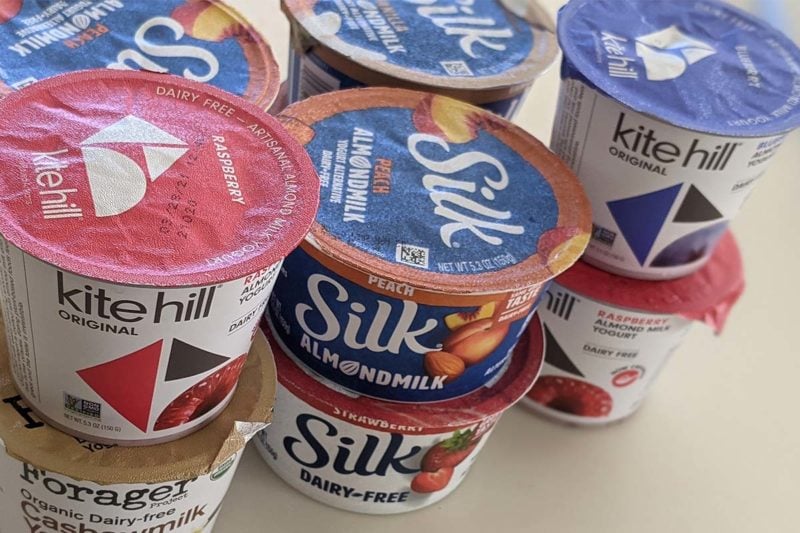
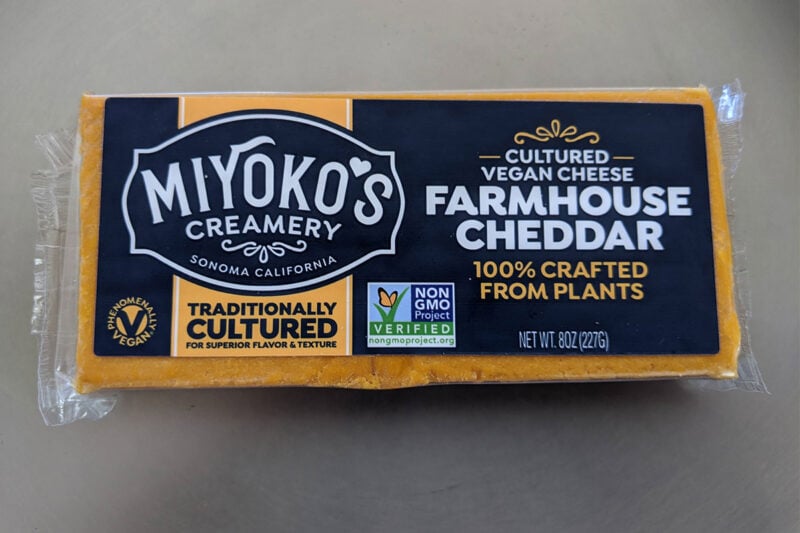
You can easily part ways with the dairy industry’s cruelty and abuse. Never has quitting dairy products required so little effort. Terrific vegan alternatives exist not just for milk, but also for cheese, ice cream, and even coffee creamer.