Of all the basic cooking skills you might acquire, learning how to cook beans is the easiest and it’s also among the most valuable. Beans are cheap, delicious, and super nutritious. They’re rich in fiber, and one of the best vegan protein sources available. Plus, most kinds of beans are nearly fat-free.
No food is more versatile. Bean-based dishes take endless forms: whether baked, refried, added to soups, or blended into hummus, you’ll never run out of recipes to try. And no matter how you prepare your beans, they’ll really fill you up.
You Don’t Know (Most) Beans
Beans come in a multitude of varieties, each with its own color, flavor, and texture. What a shame that most people don’t try more than a few types. But you have to start somewhere, so let’s look at three of the most popular varieties: black, pinto, and garbanzo.
Black beans and pinto beans appear in countless Mexican dishes. They make a fantastic burrito filling. You can also serve them alongside rice, guacamole, and salsa on a Mexican-style supper plate.
These beans also make the world’s best leftovers. In Mexican households, leftover beans are commonly refrigerated and then fried up the next day. To make Mexican-style refrieds, just mash the beans and then mix in some water. Then heat them in a frying pan with some browned chopped onions and some minced garlic that’s been quickly sautéed in vegetable oil. If you’re not a cilantro hater, stir in some chopped cilantro just before serving and you’ll really have something special. Stirring in a little bit of jarred salsa will give your refrieds an additional kick.
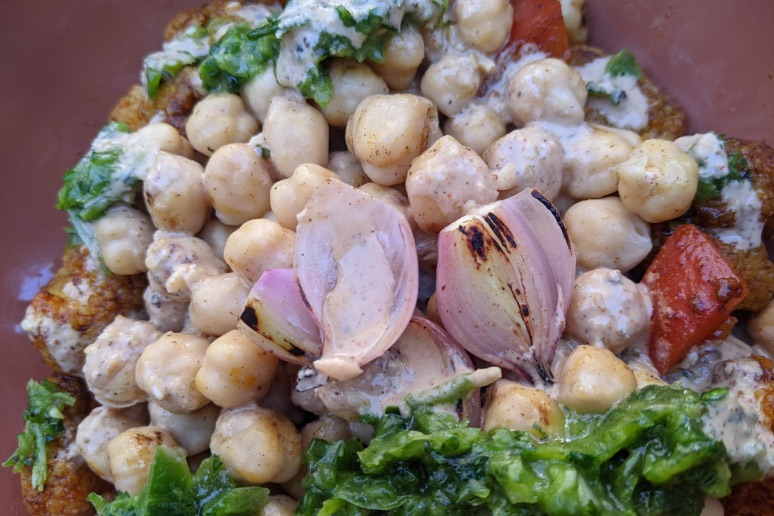
While black beans and pintos dominate Mexican cooking, garbanzo beans are wildly popular in India. Also called chickpeas, garbanzos might be the tastiest bean variety of all. They’ve got a distinctive flavor and an incredible texture. One reason garbanzos stand out among beans is that they contain significant amounts of fat, which delivers a rich texture and a nuanced flavor unobtainable elsewhere.
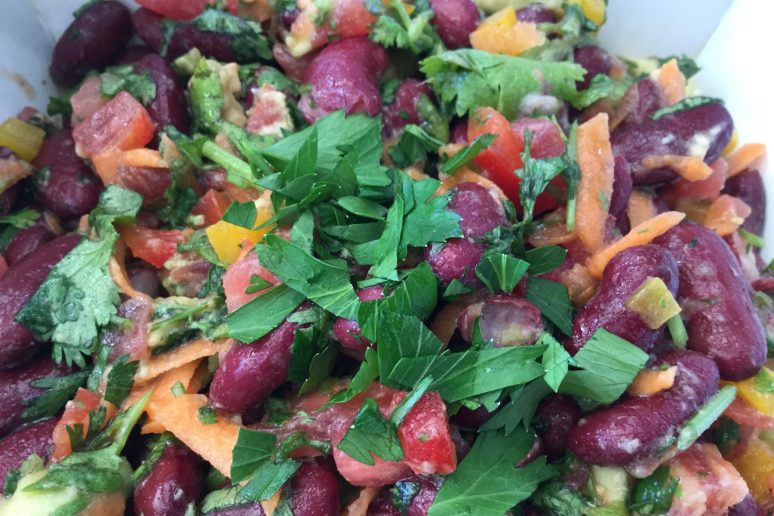
One of the most popular Indian entrées is called chana masala, a delicious curry comprised mostly of garbanzos. This dish usually accompanies rice, rotis, or samosas. Rajma masala is a similar curry made with red kidney beans rather than garbanzos.
Another popular bean-based Indian dish is dosas, thin giant crepes made from a batter of ground fermented lentils and rice. Dosas are a classic South Indian food and—as bean dishes go—are remarkably easy to digest. Note that rava dosas are made from semolina (wheat) flour, but the more popular masala dosas are about 50 percent bean-based.
Garbanzos likewise play a crucial role in Middle Eastern cooking, as they are the main ingredient in that cuisine’s two most famous foods—hummus and falafel.
Black beans, pintos, and garbanzos are the perfect starting point for your exploration of beans, but don’t stop there. Your local grocery or natural foods store sells dozens of other varieties
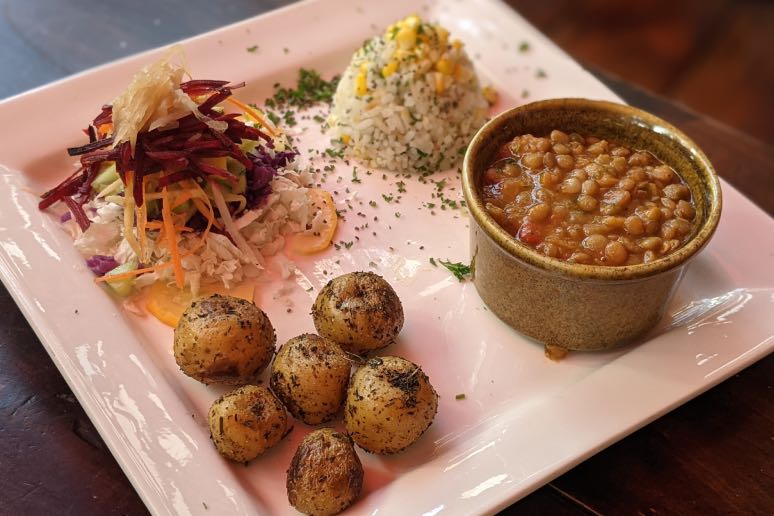
The Benefits of Thinking Small: Split Peas, Lentils, and Mung Beans
The three smallest bean varieties are split peas, lentils, and mung beans. Every other bean variety takes forever to cook if you’re not using a pressure cooker, but their small size means lentils and split peas will cook in a regular pot in a reasonable amount of time. And if you do use a pressure cooker, you can whip up soups from these beans in under 30 minutes.
All of these beans are staples of the Indian diet, since they are main ingredients in dal, which is India’s most popular soup.You can simmer any of these beans until they break apart and then, before serving, add roasted cumin seeds, curry powder, lightly-fried ginger and garlic, and salt.
One fun and easy kitchen hobby is to sprout mung beans in a sprouting jar. They’re a crunchy and healthful addition to stir-fries and salads, and one of the cheapest foods you can eat.
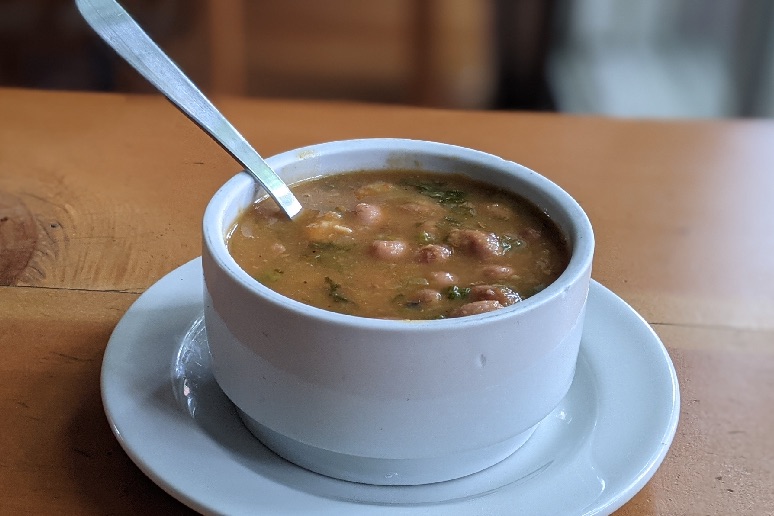
Split pea soup is cheap, incredibly satisfying, and goes wonderfully served over brown rice. Making it from scratch takes practically no effort, and what you’ll get will cost less than half the price of canned soup and taste twice as good. Simply simmer your split peas until they mostly disintegrate—mixing with the cooking water to form a thick and creamy base, then season as desired with items like chopped fried onions, curry powder, freshly-ground black pepper, and salt.
Buying Beans: Canned, Aseptic, and Dried
Beans are available either canned or dried. Canned beans maximize convenience. Since they are pre-cleaned and fully cooked, they need only be heated, drained, and spiced as desired. Additionally, some canned offerings—such as vegetarian baked beans and refried beans—come ready to heat and eat. When buying canned refried beans, always check the ingredients for lard (pig fat). Since Mexican refried beans were traditionally cooked in lard, many canned varieties still contain it. Fortunately, vegetarian canned refried beans are sold in every supermarket, so you’ll have no trouble finding them. .
Prepared beans are also increasingly available in foil-lined plastic aseptic pouches. Many companies use this packaging for Indian-style bean entries like chana masala, and bean-based soups such as dal. You can also buy refried beans in aseptic pouches, but again check the ingredients for lard. Because the packaging weighs practically nothing, aseptically packaged beans are often considerably cheaper than canned varieties when purchased online.
While less convenient than beans sold in cans or aseptic packages, dried beans offer three advantages:
- They cost much less than canned beans, especially when you consider that cooking more than doubles the weight of dried beans.
- They offer superior flavor and texture.
- They carry a smaller environmental footprint.
The best place to purchase dried beans is in the bulk section of a good natural food store. When bought in bulk, dried beans are among the cheapest and healthiest foods available. A natural food store with an impressive bulk department will carry a dozen different bean varieties.
How to Cook Dried Beans from Scratch
Preparing dried beans admittedly takes time, since the beans can require hours to soak and to cook. But no matter how you cook them, the actual effort involved is trivial.
Rinsing and Soaking
Start by pouring your dried beans into a mixing bowl. Comb your fingers through them and remove any pebbles lurking within (never skip this step; you’ll find a pebble far too often, and they can crack a tooth!) Next, pour enough water into the bowl to submerge the beans. Swish the beans around and then discard the water.
Now it’s time to soak the beans. Since dried beans soak up lots of water, be sure to use plenty of water so they’ll stay entirely submerged. Cover the bowl to keep dust out, and soak for at least four hours. You can start soaking the beans before bedtime so they’ll be ready to cook when you awaken.
Soaking isn’t mandatory but doing so cuts your cooking time significantly, thereby saving energy. But even soaked beans can require two or more hours of cooking in a pot or slow-cooker.
Instant Pots are the Easiest Way to Cook Beans
I used to hate cooking beans, since it entailed babysitting a kettle clattering on the stove for hours on end. Instant Pots put an end to that nonsense. They cook beans in half the time—without any irritating noises—and automatically chime and power off when finished. If you cook beans from scratch even occasionally, I regard an Instant Pot (or a clone “multi-cooker” from a no-name brand), as a near-necessity.
You could instead buy a simple stove-top pressure cooker, which cooks beans as quickly as an Instant Pot. But if you take that route, you’ll miss out on the timer and automatic shut off. Plus, you won’t get the variety of features an Instant Pot delivers, such as slow-cooking, steaming, and functioning as a rice-cooker. On top of all this, I’m certain that an Instant Pot is far safer than an old school stove-top pressure cooker, since the sensors all but eliminate the possibility of explosions caused by overheating. In short, the minimal cost savings of a stove-top pressure cooker don’t justify everything you lose. I’d only choose a stove-top unit if funds were tight and I found a great deal second-hand.
Proper Cooking is Vital
The cooking time for beans differs by variety, cooking method, and whether the beans were pre-soaked. Garbanzos, white beans, and kidney beans take the most time to cook—up to a few hours for un-soaked beans simmering on a stove-top. The bigger the bean, the longer the required cooking time. Soaking dried beans in water overnight cuts cooking times by perhaps a third.
You’ll know your beans are properly cooked when you can easily use your tongue to smoosh one against the roof of your mouth. As Moosewood Cookbook author Molly Katzen memorably put it, “crunchy beans don’t make it.” That was true in the 1970s when Katzen wrote those words, but it’s even more true today, as it is now known that many beans contain a toxic sugar-protein called lectin. Sufficient cooking destroys lectin, so it’s important to thoroughly cook varieties of beans that contain this substance.
This is especially true with red kidney beans, which are loaded with a type of lectin so toxic that it’s even hazardous to pronounce: “phytohaemagglutinin.” Red kidney beans contain so much of this substance that it’s wisest to soak them for at least five hours prior to cooking, and to discard the soaking water. The same warning applies to cannellini beans and broad beans, but those varieties are far less popular than red kidney beans. Please don’t let this warning frighten you away from eating these delicious bean varieties, since proper soaking and cooking renders them as safe as any other food.
I recognize that all this soaking and simmering can sound daunting. So, as an alternative, know that tiny dried beans I mentioned earlier (split peas, lentils, and mung beans) cook quickly with no need for soaking.
Beans and Flatulence
Beans are impossible to beat when it comes to being a food that’s cheap, delicious, and healthful. About the only thing that stands in their way of world domination is their tendency to cause intestinal gas. Fortunately, various measures can mitigate or eliminate this problem. Beans cause flatulence because they contain oligosaccharides, a type of sugar that your stomach acid doesn’t readily break down. When this undigested sugar reaches your intestines, bacteria feed on it to form gas.
The good news here is cooking dissolves a substantial portion of your beans’ oligosaccharides into the cooking water. So after your beans finish cooking, pour the cooking water down the drain. Then use fresh water as needed to finish preparing your recipe. This easy step makes your beans much more digestible. The same thing goes for the water used for canned beans—discard it and use fresh water and your meal will become far less gas-producing.
Blending or mashing your beans for dishes like hummus or Mexican-style refrieds is another way to substantially improve digestibility.
While thorough cooking will further improve digestibility, don’t overdo it or your beans will become mushy.
More Ways to Better Digest Beans
People plagued by chronic indigestion can often easily improve or resolve matters. Your body’s digestive powers peak at mid-day. So if you’re going to eat beans and other hard-to-digest foods, early afternoon is the best time to do it. Eating these foods on an empty stomach when you’re truly hungry will further improve digestion. Obviously the longer that hard-to-digest foods take to pass through your intestines the more gas will form, so being genuinely hungry before you eat beans will help ensure they don’t hang out in your digestive tract for an excessive amount of time.
Relatedly, and this shouldn’t even need to be said, but avoid eating late at night and sleeping on a full stomach.
If all these tips fail to solve the problem, don’t give up until you’ve experimented with split peas and lentils. Many people who can’t tolerate a black bean burrito will find a thin yellow split pea dal creates no digestive problems whatsoever.
Finally, there are various enzyme-based products that break down the oligosaccharides present in beans. Depending on who you ask, you’ll hear that it’s miraculous, totally ineffective, or somewhere in between. Consider buying a small bottle to see if it helps, and if it’s a game-changer you can then get a much better deal on a large bottle.
Beans Are an Ideal Vegan Food
Moving gracefully towards a plant-based diet depends on discovering delicious vegan foods to crowd out the meat, milk, and eggs you grew up eating. Bean-based dishes can play a key role here, especially since they are among the most filling and protein-rich meals available. So give yourself every possible advantage when exploring the world of beans. Venture beyond pinto beans and lentils to explore the delicious, colorful, and tasty lesser-known varieties.
If you want to increase your bean consumption, there’s no better purchase than an Instant Pot. Beans cost so little compared to other foods that you’ll quickly earn back this investment. And by incorporating more beans into your meals, your diet will become healthier and more satisfying than ever before.
Most general-interest vegan cookbooks offer an assortment of bean recipes. And since beans play a huge role in Mexican cooking, you may want to pick up a vegan Mexican cookbook to explore that cuisine. Any Indian cookbook will likewise feature loads of bean-based recipes. On top of that, there are two different vegan cookbooks devoted entirely to bean dishes: The Great Vegan Bean Book and Vegan Beans from Around the World.
I’ve already offered a ton of vegan cooking ideas to consider, and have been saving this for last: tofu, tempeh, soy curls, and TVP are all bean products. These foods offer greater convenience than cooking with dried beans, and bring new flavors and textures into the mix. So if you want a break from beans, give these other foods a try.
Although beans are one of the most basic foods in existence, there’s a great deal to know about them. There’s likewise a lot to learn about rice, which offers the ideal complement to beans where protein is concerned. That’s because the substantial amount of lysine found in beans makes up for the less-impressive amino acid profile of rice. Since these two foods pair up perfectly, learning more about rice will take your enjoyment of beans to new heights. So please check out my guide to rice, which will teach you how to pair your beans with a match made in heaven.