
Quitting meat delivers big payoffs, and it’s far easier to go vegetarian than you may realize. Ridding your diet of meat eliminates animal cruelty and protects the planet, while potentially improving your health.
This is a longish article that goes into detail on the best ways to reduce or eliminate meat from your diet. Since there is a lot to cover here, I won’t get into the main objections to eating meat, nor do I include the best brands of vegan meats. I’ve written a separate article covering those two topics.
It’s Never Been So Easy to Go Vegetarian
Given the explosion of vegan meat offerings in recent years, quitting meat takes remarkably little effort. Never before have food companies churned out so many satisfying vegan alternatives. Name a meat product and chances are at least one company makes a vegan version of it. There are hundreds of vegan meat products available in every shape and form. You can find delicious vegan burgers, sausages, deli slices, bacon, chicken nuggets, and more. Supermarkets carry all of these products, and if you have access to a good natural foods store you’ll gain access to an even better selection.
When you buy actual meat, each category from burgers to deli slices tastes pretty much the same. By contrast, the textures and flavors of vegan meats vary greatly from product to product. So when you shop for vegan meat replacements, you should make a point of trying every brand you can. Chances are, you’ll find some brands lackluster and others amazing. It would be a shame if you only tried one brand, didn’t like much, and concluded from that one experience that vegan meats aren’t impressive.
With so many vegan meat varieties available, you may feel overwhelmed. So let me simplify things. It’s helpful to divide the foods that can replace meat into three broad categories, which I will call meat alternatives, plant-based meats, and cultured meats.
Let’s now review each of these categories.
Meat Alternatives
For well over two thousand years, monks and religious devotees throughout Asia have abstained from meat, often for reasons related to karma or non-violence. To get sufficient protein, they often relied on two soybean-based foods called tofu and tempeh.
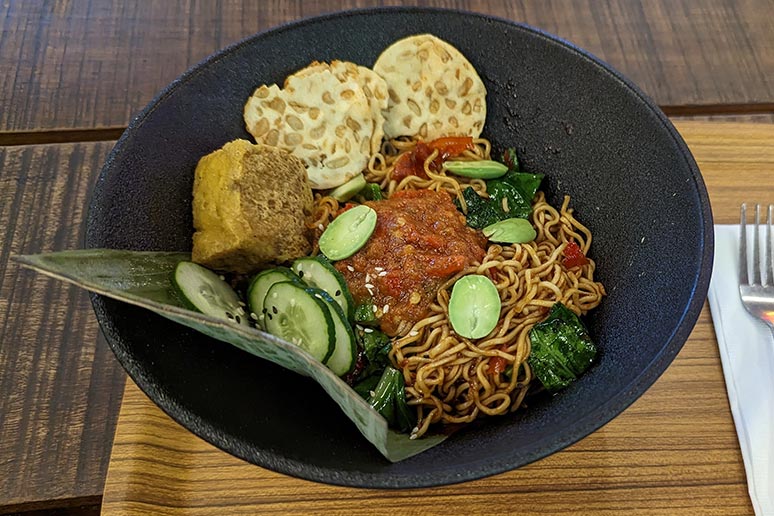
Tofu and tempeh are excellent stir-fried or roasted alongside vegetables. While neither could pass as meat, that’s not the point. The textures and flavors that tofu and tempeh bring to your meals are so satisfying that many meat eaters end up preferring these foods to beef and chicken.
My tofu and tempeh guides will introduce you to the most popular preparation methods. To start, though, the easiest way to prepare tofu is to slice it into cubes, pan-fry until it starts to turn golden, and then add it to your next stir-fry. Tempeh is even easier to prepare. Just marinate in a little soy sauce and then pan-fry on each side. Then put it on a bun with your favorite burger toppings.
Some monks have also relied on seitan as a primary protein source. This food is produced from a stretchy protein called gluten that is abundant in wheat. Seitan has a nice flavor and a much meatier texture than tempeh or tofu. It’s a fantastic beef replacement in a bowl of Texas-style chili, and vegan chilies have even won meat-based chili cookoffs.
You can also buy soy-based protein granules, known as textured vegetable protein (TVP). You’ll need to soak your TVP for a few minutes, and then you can use it in place of beef in stews, chilies, and stir-fries. Like TVP, Butler Soy Curls are based on soy protein but have a chewier, more appealing texture, and work wonderfully in place of meat.
Two Unlikely Meat Alternatives: Mushrooms & Jackfruit
Tofu, tempeh, and seitan have much to offer, but we’re not done yet. Mushrooms offer still another alternative to meat. Portobello mushroom caps are about the same size as hamburger patties. Just discard the inedible stem and fry on both sides. Prior to serving, drizzle on a little soy sauce, and add your favorite burger condiments. Grilled onions, sliced pickles, or a slice of melted vegan cheese are all excellent.
Also, give shiitake mushrooms a try. As with portobellos, first remove and discard the woody stem. Then cut up the caps, and sauté in oil. Shiitake is a Japanese mushroom that grows on logs. Its flesh is firmer and has a meatier texture than most other mushrooms.
In the near future, we will probably see an increasing number of packaged vegan meat alternatives made with mycoproteins, which are mushroom-related filaments. As with regular mushrooms, the taste and texture of these products can be remarkably meat-like. A popular product called Quorn is based on this ingredient, but unfortunately many of their offerings contain egg whites. A company called The Better Meat Co. has spearheaded substantial R&D efforts on this front.
And finally, there’s jackfruit—an enormous, spiked, scary-looking tropical fruit. Unripe shredded jackfruit flesh, sautéed with your favorite spices, takes on the texture and appearance of pulled pork. In Mexico, jackfruit prepared in this manner is gaining popularity as a vegan taco filling. Just keep in mind that, in contrast to nearly all other vegan meat alternatives, jackfruit contains very little protein.
Plant-Based Meats
The 1960s counterculture introduced vegetarianism to millions of Westerners. To satisfy this emerging interest, the first natural food companies released a variety of mock meat products. They started with veggie burgers and hot dogs. Later on came other popular meaty foods from meatballs to chicken slices. As the decades passed and more R&D money poured in, these meat alternatives became better and better.

In the modern plant-meat industry, companies usually choose between two very different approaches. Some companies make every effort to replicate the flavor and texture of meat. The Impossible Burger goes so far as to “bleed” just like a regular hamburger.
This degree of resemblance freaks out some vegetarians, who get squeamish about vegan foods that come so close to the real thing. So an entire sector of the plant-meat industry takes the opposite approach, offering meat alternatives that taste good but don’t seek to copy meat’s flavor profile. The thinking here is: why imitate meat when you can make something that tastes even better?
Field Roast’s sausages embody this approach. Unlike many vegan sausage products, Field Roast doesn’t taste remotely like pork sausage. But even if you love animal meat, you may well prefer Field Roast.
Your preferences are unique, so try as many vegan meats as you can. You’re certain to find products you adore. It’s easy to quit meat once you find alternatives that satisfy your cravings.
See my vegan meats page for a list of top brands. Finally, note that a handful of packaged meat alternatives contain egg whites or other animal products. Fortunately, the percentage of such products is in steep decline.
Cultured Meats
If the Impossible Burger doesn’t come close enough to actual hamburger for you, let’s now take a look at what’s on the way.
Food companies are pouring tens of millions of dollars developing what they call cultured meat. The goal: producing actual meat—real meat, made from real animal cells—but without raising and slaughtering an animal. If successful, it’ll not just cut out the cruelty and slaughter, it will also deliver unrivaled efficiency. No longer must animals be fed and housed. No longer will vast amounts of feed be consumed to produce tiny amounts of meat. No longer will water supplies be fouled by the mountains of manure spewed out by factory farms.
The first cultured meats are just starting to hit the market. This stuff won’t be cheap or widely available to start, but it’s undeniably in our future.
Some vegans consider actual meat repulsive, even if it doesn’t come from an animal. But this product category, though still in its infancy, promises to shutter slaughterhouses once and for all. The technology is on the brink of commercial release, and will only improve. One day, 3-D printers may even be able to take cultured muscle fibers and fats and crank out convincing slaughter-free versions of whole-cut meats like steak, chops, and bacon.
Meatless Home Cooking
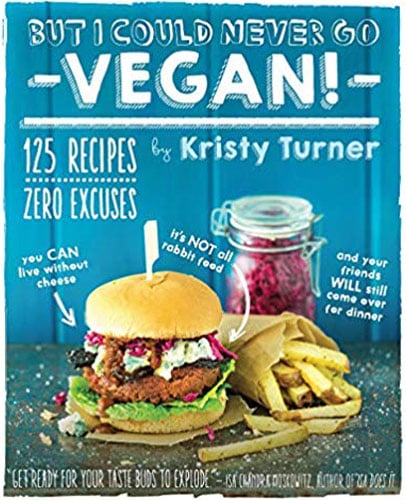
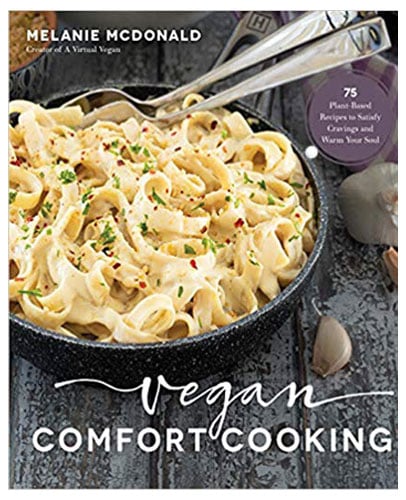
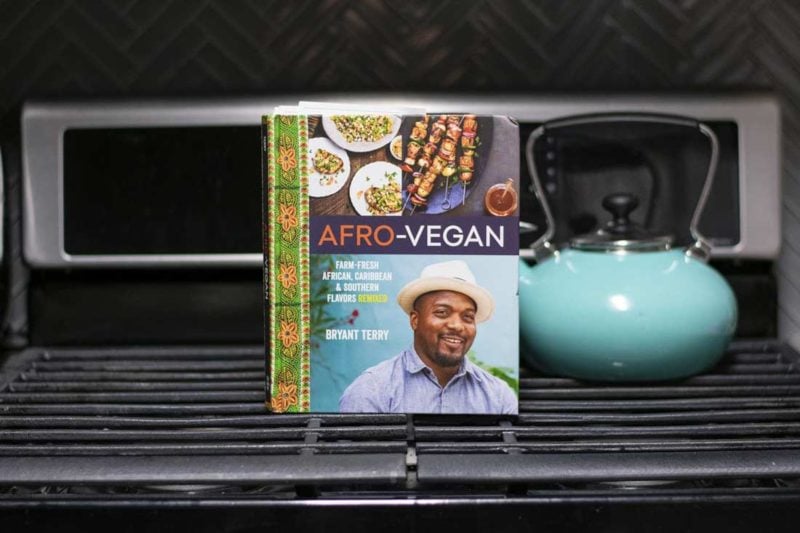
When transitioning to meat-free cooking, a good vegetarian cookbook can help. That said, I suggest choosing a vegan rather than a vegetarian cookbook, even if you intend to continue eating eggs and dairy products. When I stopped eating meat, I spent a lot of time learning a bunch of vegetarian recipes, which I later had to abandon after I decided to go vegan. I would have saved myself a lot of time had I jumped straight into vegan cooking.
See my vegan cookbooks list for a number of titles featuring vegan meats. You may also want to check out my guides to various veggie-friendly cuisines. In particular, Indian and Italian food offer an unsurpassed variety of exquisite meat-free dishes. And no cuisine is more accessible to a novice vegetarian cook than Mexican food. Most Mexican dishes are vegan-friendly and dead-simple to make.
Cookbooks Specializing in Meat Replacements
Many vegetarians don’t particularly crave the tastes and textures of meat. But what if familiar meaty flavors are exactly what you’re seeking—or if you’re cooking for someone who adores meat? No problem! You can choose from several vegan cookbooks geared to devout carnivores:
- Fake Meat, by Isa Chandra Moskowitz
- Making Vegan Meat, by Mark Thompson
- The Vegan Meat Cookbook, by Miyoko Schinner
- Plant-Based Meats, by Robin Asbell
- Vegan Cooking for Carnivores, by Roberto Martin
- VBQ—The Ultimate Vegan Barbecue Cookbook, by Horn & Mayer
- Great Vegan Barbecue, by Linda & Alex Meyer
- Wait, That’s Vegan?, by Lisa Dawn Angerame
The people behind Field Roast and Impossible Foods have also published cookbooks featuring a multitude of ways to prepare their vegan meats.
Eating Out
You can find plenty of meaty vegan foods when dining out. That’s especially true where fast food is concerned, since most of the top chains realize that the meat-free market has grown too big to ignore. Standout choices include Burger King and White Castle, both of which feature the Impossible Burger on their menus.
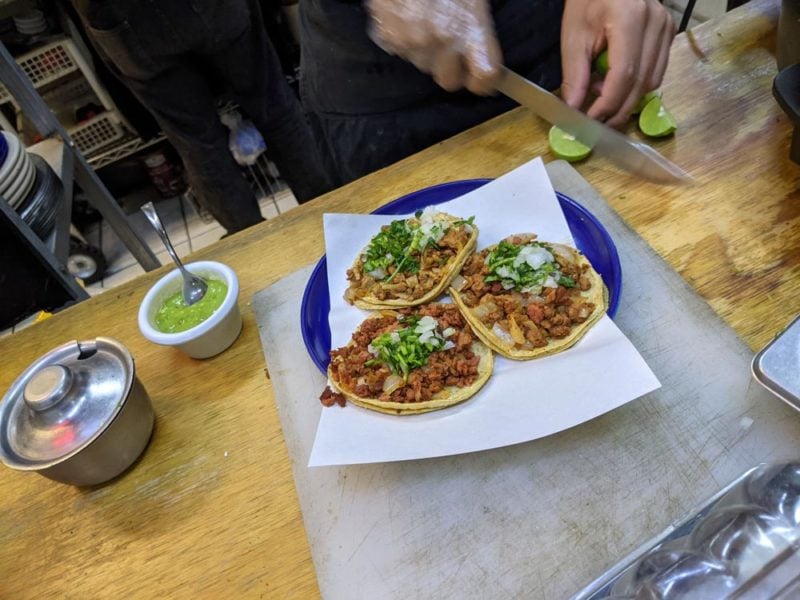
If you like Mexican food, you’ve got great options. Chipotle Mexican Grill, Qdoba, and Del Taco all offer a variety of sensational vegan burrito fillings. And Taco Bell is famous for having an entirely vegan menu as long as you avoid items containing meat, cheese, or sour cream.
No matter where you live, chances are you’ve got at least one superb vegan dining option nearby. See my vegan restaurants and fast food guides to discover the best local dining possibilities.
Stepping Stones to Going Meat-Free
Going vegan obviously demands a greater commitment than merely eating meat-free. But the same strategies that will help you cut out meat work equally well for going vegan. In both cases, you can lean into whatever diet you want, steadily moving closer week by week.
The most useful step I took towards a vegan diet was when I decided to eat exclusively vegan at home. If you’re not ready to quit meat entirely, consider simply banishing it from your kitchen. In no time, you’ll be expanding your repertoire of meat-free dishes, especially if you pick up some vegetarian cookbooks that feature your favorite dishes.
Another helpful approach is Mark Bittman’s Vegan Before 6:00 plan, where he follows a completely vegan diet prior to dinner. Then he eats whatever food he wants for the rest of the day. You can obviously modify Bittman’s approach to become merely vegetarian before 6:00, and thereby eat meat-free at least two-thirds of the time.
If these sorts of meaningful steps forward appeal to you, see my “How to Go Vegan” guide for several more ideas for partial commitments.
Go Fish-Free Too!
Many people who quit meat continue eating fish. Oftentimes, they’ll cut out the fish years later and wish they’d done it sooner.
It’s natural for people to identify less with fish than with land animals. Many people assume that fish lack sentience and the capacity to suffer. But strong evidence indicates that fish indeed feel pain. And it’s beyond dispute that the various methods used to catch fish are brutally inhumane.
What’s more, the fishing industry systematically ravages huge portions of our oceans. Efforts to curtail over-fishing are widely countered with fraud. Fish farms might seem a sustainable alternative, but they are actually even worse than ocean fishing in many important respects. You can read more about all of this in my article titled: The Many Reasons to Avoid Fish and Seafood.
A growing number of vegan fish alternatives are available. Gardein’s convenient and delicious Golden Fishless Fillets deserve a special shout out.
No Willpower Required
Quitting meat has always been easy, but it’s now easier than ever. Every month sees the release of delicious new vegan meat products.
Here’s my single most important piece of advice for anyone wanting to go vegetarian: don’t focus on cutting meat out of your diet—instead crowd it out. You don’t need willpower and sacrifice to rid your diet of meat. Instead, just try several new vegetarian foods every week. The ones you like can add to your everyday diet. With each new food you discover, you’ll automatically crowd out the meat and whichever other animal-based foods you’re ready to leave behind.
If you want to explore the best vegetarian food possibilities, my Guide to Vegan Eating offers a terrific place to start. The quality and variety of vegetarian food available at groceries and restaurants improves every year. So try as much of it as you can. Without any feelings of sacrifice, meat will soon become a distant memory and you’ll take greater pleasure from eating than ever before.
Once you’ve settled in to a meat-free diet, if you decide to quit eggs or dairy products I’ve got you covered there too. Once you’ve rid your diet of meat, you’ll be perfectly situated to go vegan, and there are strong reasons to move in that direction.