
In no stage in life does nutrition matter so much as during pregnancy. After all, you’re providing the nutrition necessary to support two lives. Since the earliest moments of life are pivotal, nutrition leading up to conception, and during pregnancy, is massively important. Many mothers, whether vegan or not, fail to eat an optimally nutritious diet during pregnancy. This guide will teach you the main things to pay attention to, as you contemplate becoming pregnant while following a vegan diet.
Prior to Pregnancy
Good pregnancy nutrition starts even before you become pregnant. Here are some things to do and think about:
- Is your Body Mass Index (BMI) in what’s considered the normal range?
- Take a folic acid supplement every day.
- Have blood work done to confirm that your iron status is normal.
- Take a reliable and adequate source of vitamin B12 (fortified foods and/or supplements) every day.
- Is your overall diet healthful and consisting mainly of whole, nutritious foods?
- Are you getting enough exercise?
- Have you quit alcohol and tobacco products if you were previously using them? It’s wise to eliminate these substances if you are planning to get pregnant.
The months before becoming pregnant offer a time when you can make sure that you’re in the best possible shape for pregnancy. Even though the nine months of pregnancy may seem interminable, they go by quickly and you may find it especially challenging to make significant changes in your diet or physical condition during that time.
Nutrition Recommendations During a Vegan Pregnancy
If you’re not already doing so, it’s good to get in the habit of eating a healthy vegan diet and exercising regularly. That way, you’ll be able to share these habits with your children and serve as a role model. Plus, you’ll already be used to eating well and exercising when you become pregnant.
Adequate—but not excessive—weight gain is important in pregnancy. While you might think that you only need to gain seven or eight pounds to account for the baby’s weight, the baby’s weight is just a fraction of the weight you must gain.
For example, your blood volume increases when you’re pregnant. This adds about four pounds. The amniotic fluid (liquid surrounding the fetus) weighs about 1½ pounds. Additional weight gain is made up of the weight of the placenta, growth of breast and uterine tissue, accumulation of fat stores, and increases in body fluids. Altogether, a woman whose BMI is in the “normal” category is expected to gain around 25 to 35 pounds. The CDC website provides more information about weight gain in pregnancy.
The nutrients that pregnant vegan women should be especially aware of are:
- Protein
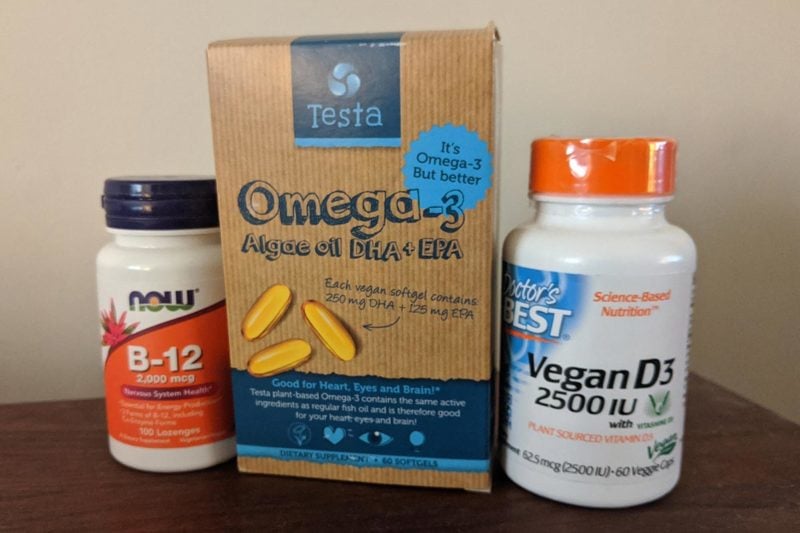
- Vitamin B12
- Folic acid
- Iron
- Zinc
- Iodine
- Omega-3 fatty acids
- Calcium
- Vitamin D
You must be aware of good sources of each of these nutrients and have a plan for meeting your needs every day. Fortunately, it’s simple to satisfy your requirements for these nutrients on a properly-planned vegan diet. In some cases, these nutrients are most easily obtained through supplements and/or fortified foods.
BMI
Women whose BMI is categorized as markedly underweight or overweight at conception are at a higher risk for pregnancy complications such as gestational diabetes, having a very large or very small infant, and having a premature baby.
You can calculate your BMI using this calculator to see which category you’re in. If your BMI is categorized as underweight, try to gain sufficient weight before becoming pregnant to get yourself into a normal range. If you’re overweight, taking steps to bring your weight back into a more healthful range can reduce risk to both your health and your baby’s health during pregnancy.
Nutrients of Primary Concern During a Vegan Pregnancy
These nutrients merit the greatest attention during pregnancy, and in the months leading up to conception:
Protein
Protein needs increase during pregnancy because the mother must maintain her own body, while her baby develops muscles, bones, and organs. That’s why protein recommendations call for an intake of 25 grams per day greater than the recommended intake before pregnancy. This increase in protein recommendations is for the second and third trimesters (which begin at the start of the fourth month of pregnancy.)
Although the exact protein requirements vary depending on the mother’s pre-pregnancy weight, most women will need about 75-85 grams of protein daily during pregnancy.
Rich Vegan Protein Sources
The protein powerhouses for vegans are found in the legume family. Legumes include dried beans, soy products, and peanuts. Tree nuts offer another rich source of protein. You can likely meet your protein needs by consuming five servings per day of legumes, and also consuming foods like grains, nuts, seeds, and vegetables that provide smaller but still substantial amounts of protein. A serving of legumes is any one of the following:
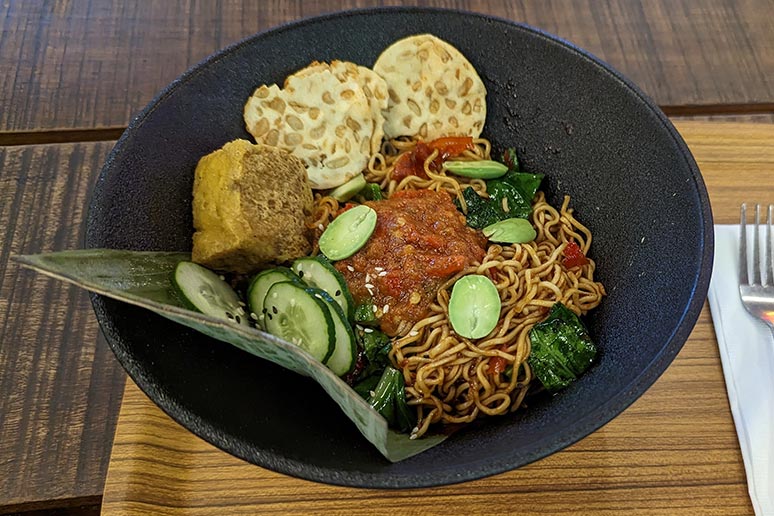
- ½ cup cooked dried beans, tofu, or tempeh
- 1 cup of soy milk
- ¼ cup of peanuts or soy nuts
- 2 tablespoons of peanut butter
- 2 to 3 ounces of most veggie meats, except jackfruit
It’s easy to get your five daily servings of legumes. Here’s an example of how you might accomplish this on a given day: you could drink a smoothie made with a cup of soy milk in the morning, eat lentil soup for lunch, a tofu stir-fry for dinner, peanut butter on an apple for one snack, and trail mix with peanuts for another snack. That’s all there is to it—just by eating those foods over the course of a day you’ve consumed your five servings.
Vitamin B12
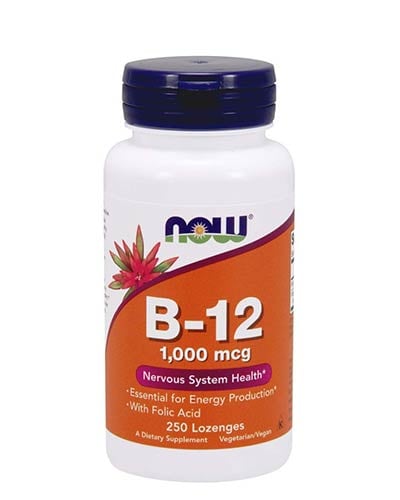
This vitamin plays a crucial role in the development of a baby’s nervous system. Although a woman’s body stores some vitamin B12, the stored vitamin B12 has not been shown to be readily available to the fetus. As a result, when you are pregnant, you must take a vitamin B12 supplement or use foods fortified with vitamin B12 every day. Requirements in pregnancy are a bit higher than when you’re not pregnant (the recommended amount for pregnancy is 2.6 micrograms per day.)
The larger the dose of vitamin B12 taken in at one time, the lower the percentage absorbed. You can meet your B12 needs by doing any one of these three things:
- Take a daily prenatal vitamin or a vitamin B12 supplement that provides at least 25 mcg of vitamin B12 or
- Take a supplement providing 1,000 mcg of vitamin B12 twice per week. Opt for chewable or “sublingual” tablets (which you allow to dissolve under your tongue), since they may allow for greater absorption.
- Eat at least two servings per day of foods fortified with at least 2 to 3.5 mcg of vitamin B12 each. You’ll need to eat these servings at least 4 hours apart to allow for optimal absorption.
Folic Acid/Folate
Folic acid is a synthetic form of folate that, because of its stability, is used in supplements and fortified foods. It is commonly added to enriched grain products including breads, pasta, and breakfast cereals. Several other forms of this molecule are naturally present in foods—these are called “food folates.” Foods that are naturally high in folate include green leafy vegetables, dried beans, and oranges. This vitamin, like vitamin B12, plays an essential role in the development of a baby’s nervous system.
During pregnancy, you should consume both food folate and folic acid from supplements or fortified foods. This nutrient appears to markedly reduce the risk of having a child with a neural tube defect. Foods that are naturally rich in folate also tend to be loaded with other important nutrients, so eating them pays off in numerous ways.
Iron and Zinc
Many women are deficient in iron. Women suffering from iron deficiency anemia during pregnancy face elevated risk of pregnancy complications. It’s easier to correct iron deficiency before becoming pregnant when you only need to meet your iron needs. Pregnancy increases both your blood volume and iron needs.
Iron’s role in pregnancy is primarily to support the development of blood, both for the baby and for the mother’s increased blood supply. Inadequate iron intake can cause iron deficiency anemia which can increase the risk of your baby being born prematurely. Vegan diets can (and should!) contain many foods that are high in iron including dried beans and whole grains. When eaten together with iron-rich foods, a squirt of lemon (or some other source of vitamin C) can dramatically improve iron absorption rates. Good sources of vitamin C include citrus fruits and juices, tomato products, and broccoli. Because iron needs increase during pregnancy, many pregnant women take a low-dose iron supplement. Talk to your health care provider about whether you should take an iron supplement during pregnancy.
Zinc is essential for your baby’s development. Rich sources include whole grains, beans, nuts, and seeds. See Virginia Messina’s Vegan Nutrition Guide for more information about zinc.
Iodine
Iodine deficiency is common worldwide, in both developed and developing countries. Deficiency during pregnancy can lead to developmental delays in infants. The most reliable way to consume adequate iodine during pregnancy is to use supplemental iodine. Many—but not all—prenatal supplements contain iodine. Check to see if yours has at least 150 mcg of iodine. If it doesn’t, you can use an iodine supplement. Eating food seasoned with iodized salt can provide another important source of this nutrient. While vegetables may also be rich in iodine, this isn’t dependable since levels can vary greatly. Sea vegetables are typically a rich source of iodine, but some sea vegetables have such extreme levels of iodine that their regular consumption can cause health problems.
Omega-3 Fatty Acids
Alpha-linolenic acid (ALA) is an essential omega-3 fatty acid that is abundant in only a few vegan foods. In order to get enough of this fatty acid, Virginia Messina recommends including any one of the foods below, at the indicated portion sizes, into your diet every day:
- 1 tablespoon of ground flaxseed (note that it must be ground; otherwise you won’t absorb the ALA)
- 1 teaspoon of flaxseed oil
- 4 walnuts
- 1 tablespoon of walnut, hempseed, soy or canola oil
- 2 teaspoons of chia seeds
In addition to the above omega-3 sources, it may be wise to also take a daily vegan DHA capsule. Many experts recommend that pregnant women include DHA in their diets. Adequate DHA appears to reduce the risk of having a premature baby and may promote the baby’s brain development. Vegan women can get DHA from vegan supplements which contain DHA derived from algae. Choose a supplement that provides 200-300 milligrams of DHA per dose.
Calcium
Calcium needs are important considerations during pregnancy because this mineral builds the baby’s bones and teeth. Surprisingly, the recommendation for how much calcium pregnant women should consume does not differ from that of non-pregnant women. That’s because women absorb and retain more calcium during pregnancy. They therefore do not need to increase their intake, provided it was adequate before pregnancy.
All of these foods have about 150 milligrams (mg) of calcium in a serving:
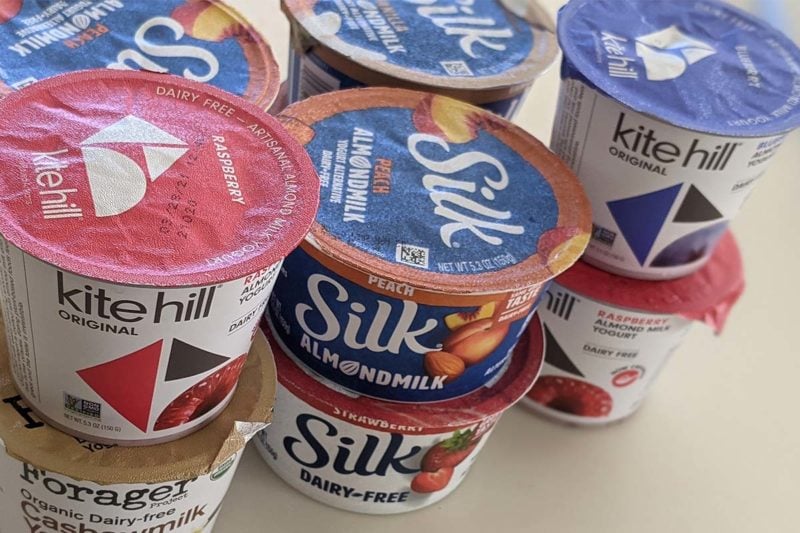
- ½ cup calcium-fortified plant milk, calcium-fortified orange juice, tempeh, soybeans, firm tofu made with calcium and nigari, calcium-fortified vegan yogurt
- 1 cup cooked bok choy, collards, kale, mustard greens, okra, white beans
- 2 cups cooked broccoli
- ¼ cup calcium-fortified tofu, almonds
- 2 tablespoons almond butter or tahini
- 2 navel oranges
- 10 dried figs
- Half of a calcium-fortified energy bar
To meet calcium needs while pregnant, choose at least 5-6 servings of the above foods daily. Additionally, be sure to eat other foods that provide smaller amounts of calcium.
Vitamin D
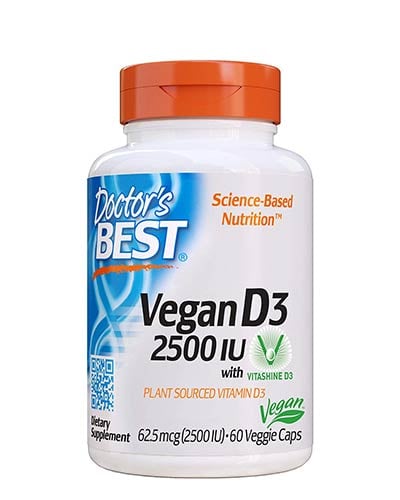
Vitamin D plays several crucial roles in protecting your health, one of which is to help your body absorb calcium. Like calcium, vitamin D requirements are not higher during pregnancy but it’s still essential to get sufficient vitamin D.
People who live in sunny climates who expose most of their skin to summer sunlight for ten to twenty minutes daily are likely to make enough vitamin D—but they still usually need a supplement during the majority of the year. Those of us who don’t always get out in the sun, who use sunscreen, who live in more northerly or cloudier areas, or who have darker skin won’t produce sufficient vitamin D.
Even fortified foods aren’t typically rich sources of vitamin D. For example, you’d need to drink 5 or more cups of vitamin D-fortified vegan milk to meet recommendations for vitamin D. Most pregnant women should therefore use a vitamin D supplement. There are several vegan brands. The RDA for vitamin D in pregnancy is 600 IU per day.
Foods and Beverages to Avoid During Pregnancy
It’s wise to avoid alcohol entirely during pregnancy. Excessive alcohol can affect the baby’s growth and development and cause lifelong problems. Since we don’t know exactly how much alcohol is safe, the best amount for pregnant women is none at all.
Hormonal changes during pregnancy affect the immune system and increase susceptibility to foodborne illnesses, especially Listeria. Some foodborne illnesses can be harmful to the fetus. To reduce the risk of foodborne illnesses, pregnant women should consider avoiding foods especially likely to be contaminated with harmful bacteria, such as raw sprouts and unpasteurized juices.
Multiple Births
Women who are carrying more than one baby will need to gain more weight, eat more food, and have a higher intake of some vitamins and minerals. A registered dietitian with expertise in prenatal nutrition can be helpful in developing meal plans for vegans who are expecting twins, triplets, or more. Similarly, women with conditions like diabetes (either pre-existing or gestational diabetes that develops during pregnancy), will benefit from individualized counseling to modify their diets during pregnancy.
Food Cravings
Contrary to what you may have heard, cravings for particular foods during pregnancy don’t seem to indicate a nutritional deficiency. What triggers these cravings? Often, it’s hormones, lack of sleep, a need for comfort, or other factors. These cravings usually aren’t harmful unless they are for foods that are nutritionally unsound and that become a major part of the diet, displacing other healthier foods. Cravings to eat non-food substances (such as dirt, clay, or ice) may indicate an iron or zinc deficiency and should be evaluated by a health care provider.
Nausea
Nausea during pregnancy is common, especially during the first trimester. Eating smaller meals more frequently while avoiding foods and odors that trigger nausea can help. Seek medical treatment if vomiting becomes so severe that there is a risk of dehydration.
Simple Guidelines for a Healthy Vegan Pregnancy
Let’s conclude with five especially useful recommendations for pregnant women. These five steps alone won’t satisfy all your needs, but when coupled with the advice offered throughout this article, you should be well-positioned to maintain excellent nutritional status throughout pregnancy.
- Eat at least 5 servings a day of beans, tofu, tempeh, soy milk, vegan meats, peanuts, or peanut butter.
- Eat a variety of fruits and vegetables including those providing vitamin C (such as oranges, broccoli, cabbage, tomatoes, and strawberries), green leafy vegetables, and dark orange fruits and vegetables (carrots, winter squash, peaches, cantaloupe, etc.)
- Choose whole grains often and select healthy fat sources like nuts, nut butters, seeds, olive oil, and avocados whenever possible.
- Eat five to six servings of calcium-rich foods every day.
- Use supplements or consume fortified foods daily to meet your vitamin B12 and folic acid needs. Make sure you’re getting at least 150 mcg of iodine each day from a prenatal supplement or other source. Vitamin D supplements are usually advisable, and iron supplements may be needed as well. Many vegan women also choose to use a vegan DHA supplement during pregnancy.